
























Understanding Common Puffy Eyes Causes
Waking up with swollen skin around your eyes can be frustrating. Many people experience this at some point, and understanding the common puffy eyes causes is the first step toward finding relief. Often, this swelling is simply a result of fluid retention in the tissues surrounding the eye.
Several factors might trigger this reaction, ranging from your sleep patterns to your daily diet. Because the skin around your eyes is very thin, it shows fluid shifts more easily than other parts of your face. Recognizing these patterns helps you address the root issue effectively.
For those interested in general skin health, you can read more about how skin exfoliation works to keep your complexion clear. While exfoliation helps texture, puffiness often requires a different approach focused on hydration and lifestyle balance.
The Role of Lifestyle and Diet
One of the top puffy eyes causes is a high intake of salt. Sodium causes your body to hold onto extra water, which can collect in the delicate under-eye area. Reducing processed snacks and adding more fresh vegetables may help manage this fluid balance.
Hydration also plays a major role in how your skin looks. When you do not drink enough water, your body holds onto whatever fluids it has, leading to visible swelling. Aiming for consistent water intake throughout the day supports overall tissue health.
Poor sleep quality can also contribute to fluid buildup. If you wake up feeling swollen, try elevating your head with an extra pillow at night. This simple adjustment uses gravity to prevent fluid from pooling around your eyes while you rest.

Effective Home Care Strategies
If you need quick relief, cool compresses are a reliable option. The cold temperature helps constrict blood vessels and reduces the appearance of swelling around the eyelids. You can use a chilled spoon or a clean, damp cloth for a few minutes.
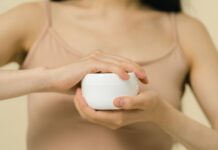
Another approach involves using caffeine-based eye creams. Caffeine helps tighten the skin and improve circulation, which may reduce puffiness over time. Be sure to apply these products gently with your ring finger to avoid pulling on the thin skin.
Consistency is key when using home care methods. If your puffiness is related to seasonal allergies, consult your healthcare provider about appropriate antihistamines. Managing your environment can significantly improve your comfort and skin appearance.
When to See a Healthcare Professional
While most swelling is harmless, some cases require medical attention. If your puffiness is accompanied by pain, vision changes, or severe redness, you should consult your doctor. These signs may indicate an underlying condition that needs professional diagnosis.
Persistent swelling that does not improve with lifestyle changes also warrants a visit to your provider. A doctor can rule out issues related to thyroid function or other systemic health concerns. Never ignore sudden changes in your eye area that cause discomfort or worry.
Understanding your body is essential for long-term health. You can learn more about how different symptoms relate to your wellbeing in our article on physical symptoms linked to depression. Being aware of your health patterns helps you know when to seek expert advice.

Preventive Habits for Lasting Results
Building sustainable habits is the best way to prevent recurring eye swelling. Start by monitoring your salt intake and tracking how your skin reacts to certain foods. Small dietary adjustments often lead to noticeable improvements in your facial appearance.
Managing stress is another way to support your skin health. High stress levels can affect your sleep and your body’s fluid balance, both of which impact eye puffiness. Finding time for relaxation and regular movement can make a positive difference.
Protecting your skin from the sun is also important. Sun damage can weaken the skin around the eyes over time, making it prone to sagging and swelling. Always wear broad-spectrum sunscreen and sunglasses when you are outdoors to maintain skin integrity.
Conclusion
Addressing puffy eyes causes often starts with simple changes to your daily routine. By staying hydrated, watching your salt intake, and getting enough quality sleep, you can help your skin stay refreshed and healthy. These habits support not just your appearance, but your overall physical comfort as well.
If you continue to experience swelling despite your best efforts, reach out to your healthcare provider for a professional evaluation. They can help identify any specific factors unique to your situation. For more insights on balancing your health, review our article on anxiety vs depression symptoms and differences to understand how your mental state affects your physical health.
This article is for educational purposes only. It is not a substitute for professional medical advice, diagnosis, or treatment. Always consult a qualified healthcare provider regarding your health.
Frequently Asked Questions
Can allergies trigger eye puffiness?
Yes, allergies are a very common cause of eye swelling. When you are exposed to allergens like pollen or pet dander, your body releases chemicals that cause inflammation and fluid buildup. This often leads to puffy, itchy, and watery eyes. Managing your allergies with the help of a doctor can significantly reduce these symptoms and keep your eyes clear.
Does aging affect eye puffiness?
Aging naturally changes the skin around your eyes, making it thinner and less elastic. As the muscles supporting your eyelids weaken, normal fat that helps support the eyes can move into the lower lids, causing them to appear puffy. While this is a natural part of aging, a healthy skincare routine and sun protection can help maintain skin health.
Are cold spoons effective for swelling?
Using a chilled spoon is a simple, effective way to reduce temporary puffiness. The cold helps constrict blood vessels and reduces inflammation in the area. Simply place two metal spoons in the refrigerator for a few minutes, then gently press the back of the spoons against your closed eyelids. It is a quick, safe, and convenient home care method.