




















Understanding Vision and Blood Sugar
Managing your health involves more than just monitoring numbers. High blood sugar levels can impact many parts of your body, including your vision. Over time, these elevated levels may lead to specific diabetes eye complications that require attention.
Your eyes contain tiny blood vessels that are sensitive to changes in glucose. When sugar levels remain high, these delicate vessels can become damaged or blocked. This process often happens slowly, which is why regular eye exams are so important for everyone with diabetes.
Learning how these changes occur helps you understand the importance of consistent care. By staying informed, you can take active steps to protect your sight. Your healthcare team is always there to guide you through these preventive measures.
Common Eye Conditions Linked to Diabetes
One of the most well-known issues is diabetic retinopathy. This condition occurs when blood vessels in the retina, the back part of the eye, get damaged. It is a leading cause of vision loss if left unmanaged for long periods.
Another concern is the development of cataracts. This happens when the natural lens of your eye becomes cloudy, making your vision look blurry. While cataracts can happen to anyone, they often develop earlier and faster in people with diabetes.
Glaucoma is also a risk, which involves increased pressure inside the eye. This pressure can damage the nerve that connects your eye to your brain. Each of these diabetes eye complications highlights why monitoring your vision is essential for long-term health.
Some people may also notice temporary blurry vision when their blood sugar fluctuates rapidly. This is usually a sign that your eyes are adjusting to new glucose levels. Always share these shifts with your doctor to ensure everything is on track.
Recognizing Early Warning Signs
Symptoms of vision trouble are not always obvious at first. You might notice small spots or “floaters” in your field of vision. Sometimes, these spots drift around and can make it harder to focus on reading or screens.
Other signs include blurry or wavy vision that does not go away. You might also find that your night vision is not as sharp as it used to be. Do not ignore these changes, even if they seem minor or come and go.
Pain or pressure in your eyes is another signal that requires a quick checkup. While many vision changes are painless, any discomfort should be taken seriously. Your eyes are vital, and catching issues early is often the best way to prevent damage.
If you have been diagnosed with early signs of type 2 diabetes, schedule your first comprehensive eye exam soon. Early detection allows for better management and peace of mind.
Protecting Your Vision Through Daily Habits
Managing diabetes eye complications with lifestyle
The best way to protect your eyes is to keep your blood sugar in a healthy range. Consistent management prevents the damage that leads to long-term vision issues. Work closely with your provider to find a routine that works for your life.
Blood pressure and cholesterol also play a role in eye health. Keeping these numbers stable helps protect the small blood vessels throughout your body. A balanced diet and regular movement are great ways to support these goals.
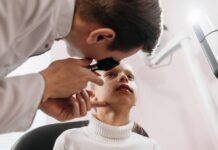
Do not forget to schedule an annual dilated eye exam. This test allows a professional to see the back of your eye clearly. It is the only way to catch early signs of trouble before you notice any symptoms yourself.
If you smoke, consider quitting. Smoking is a known risk factor for many health issues, including those that affect your sight. Every positive change you make contributes to the health of your eyes and your overall well-being.
When to Seek Professional Care
You should see an eye doctor immediately if you notice sudden changes in your vision. This includes flashes of light, a dark curtain over your field of view, or a sudden loss of sight. These are urgent signs that require quick medical help.
Even if you feel your vision is stable, do not skip your yearly checkups. Many eye conditions have no early symptoms, making professional screening the only way to stay safe. Your eye doctor can monitor for small changes year after year.
Always talk to your primary doctor about your eye health as well. They can help coordinate your care and ensure your blood sugar plan is effective. Open communication between your doctors ensures you get the best support for your health.
Remember that your vision is precious. Taking proactive steps today can help you maintain clear sight for years to come. You are the most important member of your own healthcare team.
Conclusion
Your eyes are a window to your overall health. By understanding how high blood sugar can impact your vision, you can take charge of your future. Awareness is the first step toward preventing serious diabetes eye complications and maintaining your quality of life.
Consistency is your greatest tool. Stick to your blood sugar goals, attend your regular eye exams, and report any changes to your doctor right away. These simple actions make a big difference in protecting your sight. While the risk of eye issues can feel overwhelming, remember that you have the power to manage your health every single day. Stay informed, stay proactive, and keep focusing on your long-term wellness. If you ever feel concerned about your vision, reach out to your care team without delay.
This article is for educational purposes only. It is not a substitute for professional medical advice, diagnosis, or treatment. Always consult a qualified healthcare provider regarding your health.
Frequently Asked Questions
How often should I have an eye exam?
Most people with diabetes should have a comprehensive, dilated eye exam at least once a year. Your doctor may recommend more frequent visits if you already have signs of eye damage or if your blood sugar is difficult to control. Always follow the specific schedule your eye care professional provides for you.
Can vision changes be reversed?
Some minor vision fluctuations caused by high blood sugar may improve once your levels stabilize. However, structural damage to the retina often requires specific medical treatments to stop it from getting worse. Early detection is key, as it provides the best chance to preserve your vision and prevent further complications.
Do I need to see a specialist for my eyes?
It is important to see an eye doctor, such as an ophthalmologist or optometrist, who has experience working with patients who have diabetes. They are trained to look for signs of eye conditions that others might miss. They can provide the specialized screening and care needed to protect your sight over time.