


























Understanding the Link Between Illness and Blood Sugar
When you are sick, your body reacts in complex ways to fight off germs. These physical changes directly impact illness and blood sugar levels for people living with diabetes.
Your body releases stress hormones when fighting an infection. These hormones signal your liver to release extra glucose into your bloodstream to provide energy for your immune system.
However, this added glucose often leads to higher blood sugar readings. Managing your daily nutrition becomes more challenging when your body is under this type of stress.
Why Infections Cause Blood Sugar Spikes
Infections like the flu, colds, or urinary tract infections trigger an inflammatory response. This internal defense mechanism makes your body more resistant to insulin, which is the hormone responsible for lowering blood sugar.
Because your cells are less responsive to insulin, glucose stays in your blood rather than entering your cells for energy. As a result, you might notice your readings are much higher than usual.
Maintaining proper sick day management is essential for preventing dangerous spikes. Always monitor your levels more frequently when you do not feel well.
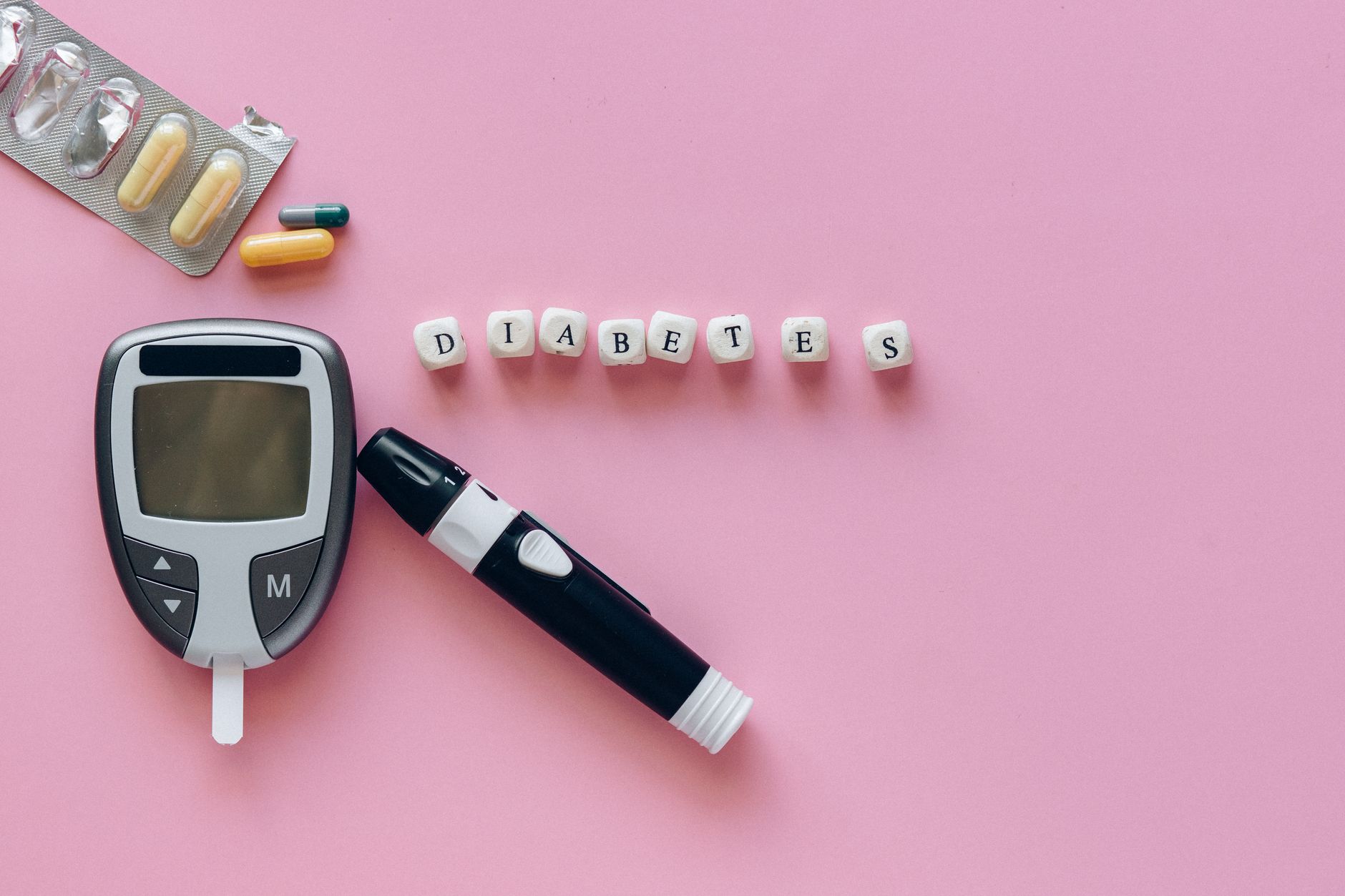
Managing Illness and Blood Sugar Safely
Staying hydrated is one of the most effective ways to manage illness and blood sugar fluctuations. When your sugar is high, your kidneys work harder to remove excess glucose through your urine, which can lead to dehydration.
Drinking plenty of water or sugar-free fluids helps your body flush out that extra glucose. Avoid beverages with added sugar, as they will only make your levels climb higher.
You should also continue taking your prescribed medications unless your doctor advises otherwise. If you have concerns about your routine, reach out to your healthcare provider for guidance.
Monitoring Your Levels Frequently
Checking your blood sugar more often than usual is a smart strategy during sickness. Frequent testing allows you to see how your body is responding to the current stress.
Keep a clear record of your readings to share with your medical team. These notes help your doctor understand how your specific illness affects your glucose control.
When to Contact Your Healthcare Provider
Sometimes, home management is not enough to keep your levels stable. Knowing when to call your doctor is a vital part of your diabetes care plan.
Seek professional advice if you notice consistently high readings that do not respond to your usual treatment. You should also call if you experience vomiting or diarrhea for more than a few hours.
Early intervention prevents complications such as diabetic ketoacidosis, a serious condition caused by very high sugar. You may learn more about maintaining overall health to help prevent long-term issues.

Recovery Tips for People with Diabetes
Rest is a key component of your recovery process. When you allow your body to heal, you reduce the overall stress response that contributes to high glucose levels.
Focus on light, easy-to-digest meals if you have a poor appetite. Small, frequent portions can help keep your energy levels steady without overwhelming your system.
Always verify your plan with a professional, as they might suggest temporary adjustments to your insulin or medication. Having a clear sick day plan provides peace of mind.
Staying Prepared for Health Challenges
Planning ahead makes managing sickness much easier. Keep a supply of test strips, extra medication, and sugar-free hydration options readily available in your home.
Being prepared reduces anxiety and helps you focus on getting better. Remember that fluctuations are common, and with the right approach, you can maintain control.
If you have questions about your emotional well-being during illness, remember that stress can also impact your numbers. Prioritizing calm and recovery is a productive way to manage your health.
This article is for educational purposes only. It is not a substitute for professional medical advice, diagnosis, or treatment. Always consult a qualified healthcare provider regarding your health.
Frequently Asked Questions
Why does my blood sugar rise when I have a cold?
When you have a cold, your body produces stress hormones to help fight the virus. These hormones signal your liver to dump stored glucose into your bloodstream. Additionally, your body becomes temporarily more resistant to insulin. This combination of factors causes your blood sugar to rise, even if you are eating less food than usual.
How often should I check my blood sugar while sick?
It is generally recommended to check your blood sugar every two to four hours during an illness. Frequent testing helps you identify trends and catch high or low readings early. Your healthcare provider may provide specific instructions based on your type of diabetes and the severity of your symptoms. Always keep a log of your results.
Can I take over-the-counter medicine for my symptoms?
Some over-the-counter cold medicines contain sugar or ingredients that can affect your blood sugar levels. Always read the labels carefully and look for sugar-free options. It is best to consult your pharmacist or doctor before taking new medications. They can guide you toward products that are safe for people managing diabetes and their blood sugar levels.