


























Understanding Type 1 vs Type 2 Diabetes
Many people often confuse blood sugar conditions, but knowing the facts about type 1 vs type 2 diabetes is important for your health. While both conditions involve high blood sugar, they have different causes and require different management approaches.
This guide explains these key differences in simple terms to help you understand your body better. Always remember that only a doctor can provide an accurate diagnosis for your specific health needs.
What Is Type 1 Diabetes?
Type 1 diabetes occurs when the body stops producing insulin. Insulin is a hormone that helps your cells turn sugar from food into energy for your body.
In this condition, the immune system mistakenly attacks the cells in the pancreas that make insulin. As a result, the body cannot regulate blood sugar levels on its own.
Because the body produces little to no insulin, people with this condition must take insulin daily to survive. It is often diagnosed in children or young adults, though it can appear at any age.
According to the National Institute of Diabetes and Digestive and Kidney Diseases, this process is an autoimmune reaction. It is not caused by diet or lifestyle choices.
How Type 2 Diabetes Develops
Type 2 diabetes is the most common form of the disease. It happens when your body does not use insulin properly, a state known as insulin resistance.
Initially, your pancreas works harder to make extra insulin to keep up with demand. Over time, it cannot keep up, and blood sugar levels rise above the normal range.
Factors like genetics and lifestyle habits often play a role in how this condition develops over time. Many people manage their blood sugar levels through healthy food choices and activity.
If you have concerns about your energy levels, you might want to learn about healthy snacks that may support blood sugar control. Consistent habits are often key to long-term management.

Comparing Symptoms and Diagnosis
Common Signs in Type 1 vs Type 2 Diabetes
Symptoms for both types often include increased thirst and frequent urination. However, the speed of onset is usually very different between the two.
Type 1 symptoms typically appear suddenly over a few weeks or months. Individuals may experience rapid weight loss, extreme fatigue, and blurry vision.
In contrast, type 2 diabetes symptoms develop slowly over many years. Some people may not notice any symptoms at all until a routine checkup reveals high blood sugar.
Doctors use specific blood tests to diagnose these conditions. These tests measure your average blood sugar levels over the past few months.
Treatment and Management Approaches
Management strategies vary greatly because the underlying causes are different. Those with type 1 diabetes rely on insulin therapy to replace what their body cannot make.
For type 2 diabetes, doctors often start with lifestyle changes like diet and exercise. If those are not enough, oral medications or insulin may be added to the plan.
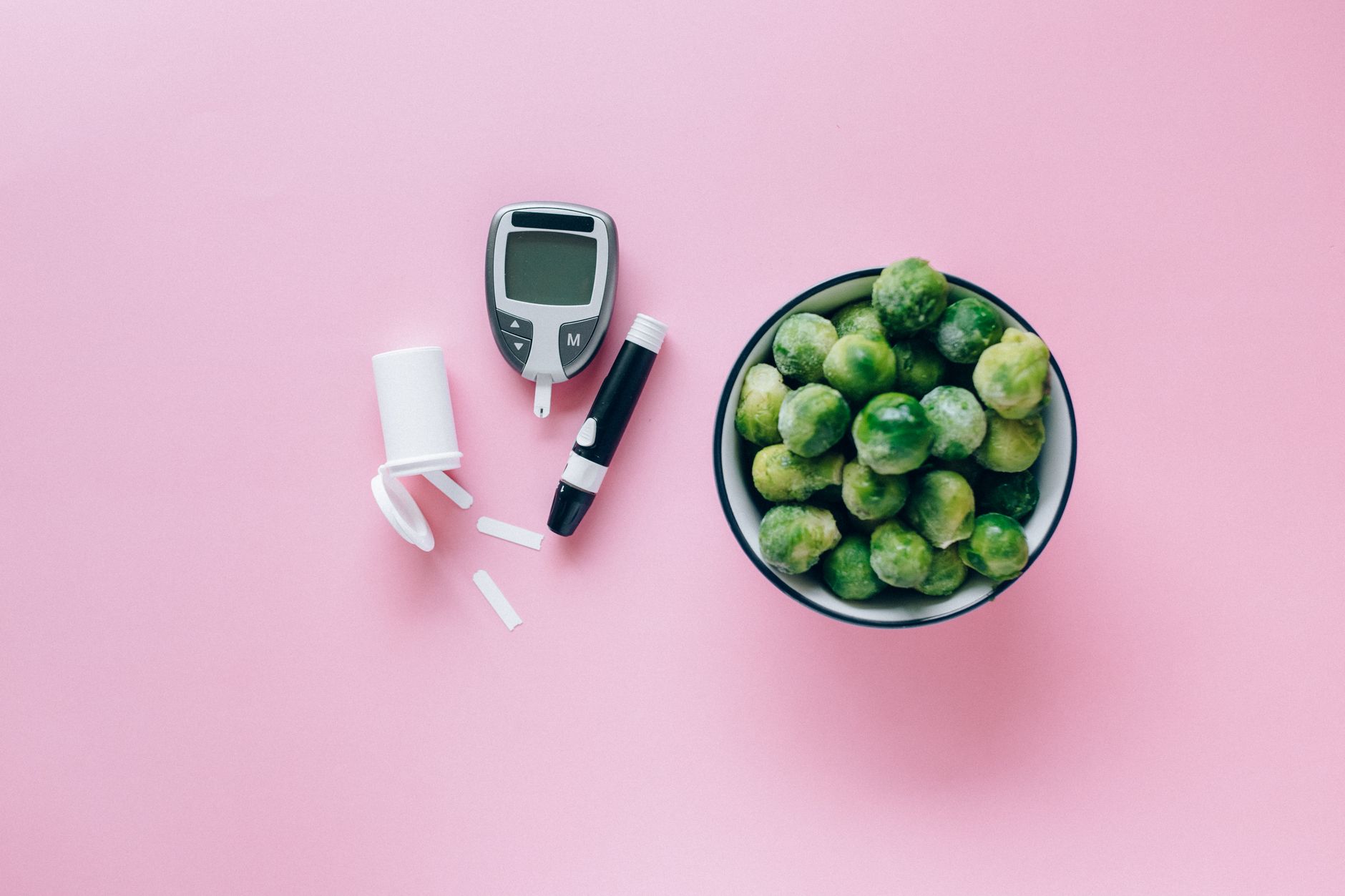
Monitoring your levels regularly is essential for both types. This helps you and your healthcare team adjust your plan to keep your numbers in a safe range.
Poorly managed blood sugar can sometimes lead to skin issues. You can read more about why wounds may heal slowly in people with diabetes to understand the importance of early care.
When to Consult a Healthcare Provider
You should see a doctor if you notice persistent symptoms like unexplained weight loss or extreme thirst. Early detection helps prevent complications and improves your quality of life.
If you have a family history of diabetes, speak with your provider about regular screening. They can help you understand your personal risk factors and preventive steps.
Never ignore changes in your health, such as constant fatigue or frequent infections. A simple blood test can provide the answers you need to stay healthy.
If you feel overwhelmed by your health, remember that support is available. Managing conditions like how depression can affect memory and concentration is also part of a total health approach.
Summary of Differences
Understanding type 1 vs type 2 diabetes helps you advocate for your own health. While type 1 is an immune system issue, type 2 is largely about how your body processes insulin.
Regardless of the type, consistent care and guidance from your medical team are vital. Focus on balanced nutrition, regular movement, and following the specific advice provided by your doctor.
This article is for educational purposes only. It is not a substitute for professional medical advice, diagnosis, or treatment. Always consult a qualified healthcare provider regarding your health.
Frequently Asked Questions
Can type 2 diabetes be reversed?
While there is no permanent cure, many people can put type 2 diabetes into remission. This means blood sugar levels return to a healthy range without medication. This is often achieved through significant lifestyle changes, including weight management and a balanced diet. Always work closely with your doctor before making major changes to your treatment plan.
Does eating too much sugar cause diabetes?
Eating sugar does not directly cause type 1 diabetes, which is an autoimmune condition. For type 2 diabetes, consuming excessive calories from any source, including sugary foods, can lead to weight gain. Weight gain is a known risk factor for developing insulin resistance. A balanced diet is the best way to reduce your overall risk.
Is diabetes hereditary?
Genetics play a role in both types of diabetes. If you have a family history of the disease, you may have a higher chance of developing it. However, having the genes does not mean you will definitely get diabetes. Environmental factors and lifestyle choices also influence your risk, making regular health checkups very important.