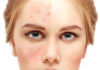

























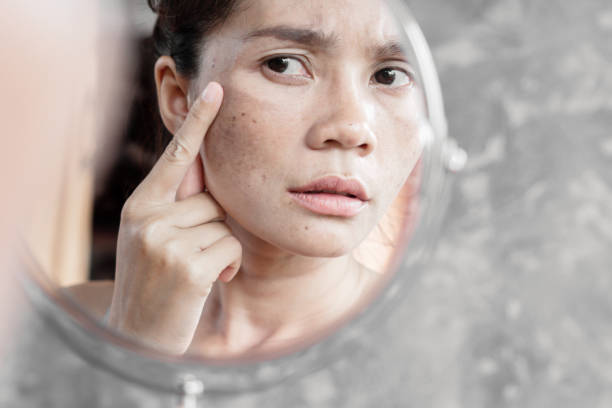
Stress rash, also known as psychogenic excoriations, is a skin condition that occurs because of stress and anxiety. It is characterized by red, itchy, and sometimes raised patches of skin that can appear anywhere on the face or body. While stress rashes can be uncomfortable, they are not dangerous and can be treated effectively with the right approach.
What is Stress Rash?
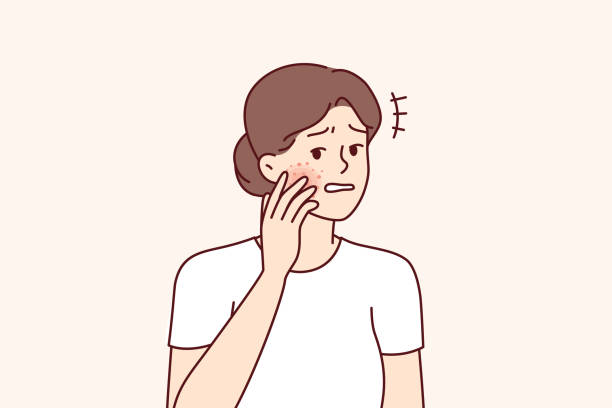
Stress rash is a condition in which the skin reacts to stress and anxiety by breaking out in red, itchy, or raised patches. The rash is often a result of excessive scratching or picking of the skin, which can lead to further irritation and inflammation. While stress rashes can occur anywhere on the body, they are mostly found on the face, arms, and legs.
Signs and Symptoms of Stress Rash
The signs and symptoms of a stress rash include the following:
- Red, itchy patches of skin
- Raised or bumpy skin
- Open sores or wounds
- Scaling or flaking of the skin
- Burning or stinging sensation
It is important to note that the severity of a stress rash can vary greatly, from mild to severe. In some cases, the rash may clear up on its own without treatment, while in others, it may persist and even worsen with time.
Cause of Stress Rash
When a person is under stress or anxious, the body releases hormones, such as cortisol, that can cause changes in the skin. These changes can lead to various skin conditions, including stress rash.
The release of histamine and other substances in response to stress is thought to be the cause of stress rash. These chemicals cause inflammation, redness, itching, and sometimes blistering in the affected area. In some cases, scratching or picking at the skin can worsen the rash and lead to further skin damage.
Treatment of Stress Rash
Treating a stress rash requires a multi-pronged approach, including reducing stress, maintaining a healthy diet, keeping skin moisturized, avoiding triggers, using over-the-counter treatments, protecting skin from the sun, and seeing a dermatologist if needed.
Antihistamines:
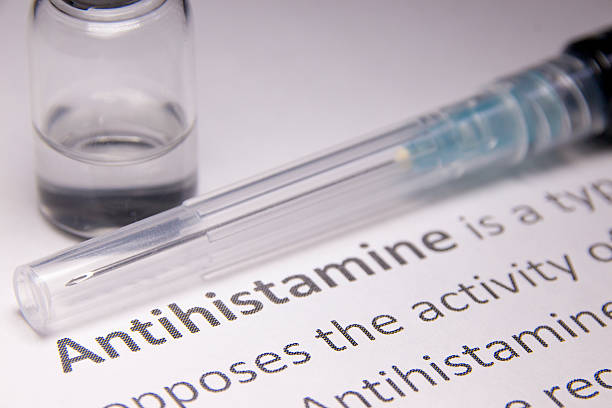
Antihistamines can help reduce itching, redness, and swelling associated with a stress rash. They work by blocking the production of histamine, a chemical released by the body in response to an allergic reaction.
There are two types of antihistamines: prescription and over-the-counter. Over-the-counter antihistamines, such as Benadryl and Zyrtec, can be purchased without a prescription and are usually used to treat light to moderate symptoms of a stress rash. Prescription antihistamines, such as Xyzal and Clarinex, are typically more potent and used to treat more severe cases.
It is best to talk to your dermatologist before using antihistamines because overuse or misuse can lead to side effects, such as drowsiness, dry mouth, and blurred vision.
Reduce Stress:

Identifying and managing the sources of stress in your life is the first step to treating a stress rash. Try to find ways to relax and manage stress, such as exercise, meditation, or hobbies.
Maintain A Healthy Diet:

A healthy diet full of vitamins, minerals, and antioxidants can help improve the appearance of a stress rash. Vitamin C-rich foods, such as oranges, blackcurrants, and strawberries, can strengthen the immune system and lessen inflammation.
Keep Skin Moisturized:
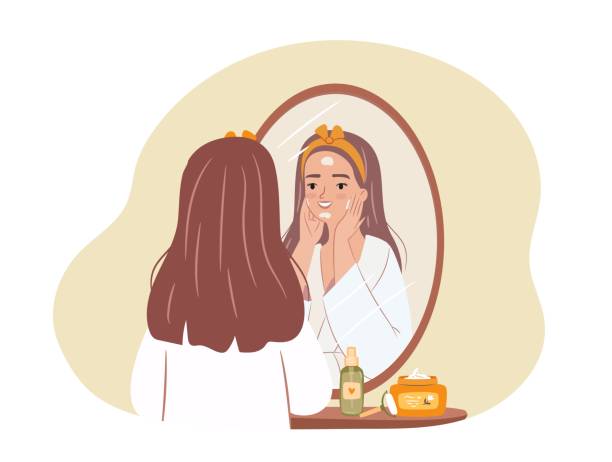
Moisturizing the skin regularly can help reduce itching and redness caused by a stress rash. Use a gentle, fragrance-free moisturizer to keep skin hydrated and soothe irritated skin.
Avoid Triggers:
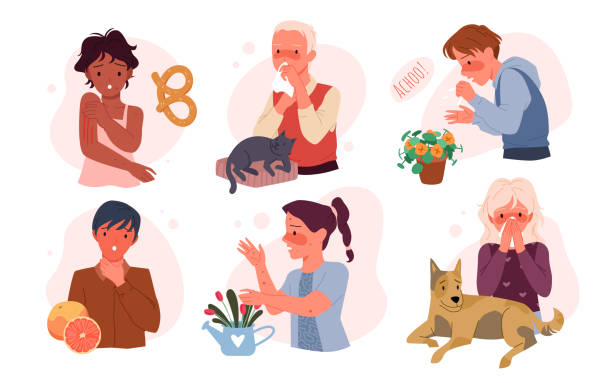
Certain foods, products, or environmental triggers can worsen a stress rash. Identify and avoid these triggers to prevent flare-ups.
Use Over-The-Counter Treatments:

Over-the-counter creams, such as hydrocortisone, can help reduce itching and redness associated with a stress rash. Ensure that you adhere to the directions provided on the product label.
Protect Skin from The Sun:
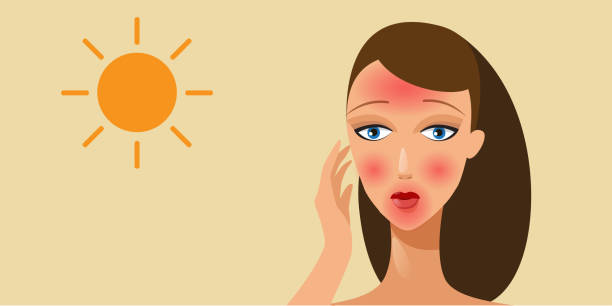
Sun exposure can worsen a stress rash, so it’s essential to protect your face from the sun by using a hat and sunglasses and applying sunscreen with at least SPF 30.
See A Dermatologist:
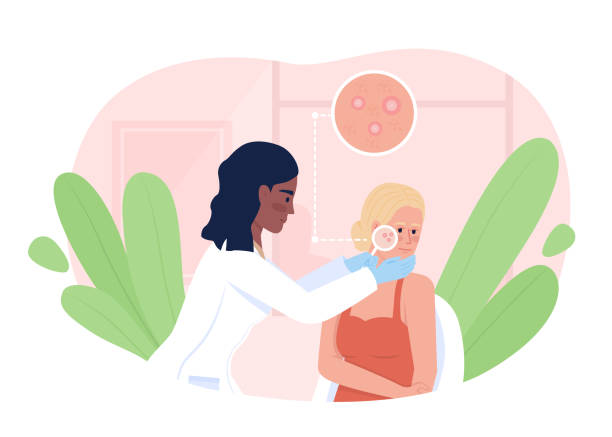
See a dermatologist if your stress rash is severe or does not improve with home treatments. They can recommend prescription treatments, such as topical steroids or light therapy, to help clear the rash.
Sum up:
In conclusion, the right approach can effectively treat stress rash on the face. By reducing stress, maintaining a healthy diet, keeping skin moisturized, avoiding triggers, using over-the-counter treatments, protecting skin from the sun, and seeing a dermatologist if needed, you can clear up your stress rash and improve the appearance of your skin. Be patient and consistent to get the finest benefits from your skin care program.
FAQs:
Q: What is a stress rash?
A: Stress rash is a skin condition due to stress and anxiety. It causes red, itchy, and sometimes raised patches of skin to appear on the face or body.
Q: What fruits and veggies are excellent for stress rash?
A: The following are some of the most beneficial fruits and vegetables for reducing stress and improving skin health:
- Berries such as blueberries, strawberries, and blackberries.
- Leafy greens veggies such as collard greens, kale, and spinach.
- Citrus fruits include oranges, Pomelo, grapefruits, limes, and lemons.
- Avocados and tomatoes.
Q: How much time can a stress rash persist?
A: A stress rash may clear up on its own within a few days to a week or persist for several weeks or even months. In some cases, a stress rash may be a chronic condition that requires ongoing management.