
























Many people search for effective ways to manage breakouts and maintain clear skin. Understanding the tools available in your skincare routine can make a significant difference. Benzoyl peroxide for acne is one of the most common and widely recognized treatments available today. It works by targeting the bacteria that often contribute to skin issues.
This article explores how this ingredient functions, how to use it safely, and what you should expect during treatment. If you are struggling with persistent skin concerns, learning about proven ingredients can help you make informed decisions. Always remember to consult with a dermatologist if you have specific skin conditions or concerns.
How Benzoyl Peroxide Clears the Skin
Benzoyl peroxide is a powerful topical medication that primarily acts as an antibacterial agent. When applied to the skin, it helps kill the bacteria known as Cutibacterium acnes. These bacteria thrive in clogged pores and often trigger inflammation, leading to redness and swelling.
Beyond its antibacterial properties, this ingredient also helps clear dead skin cells. By encouraging the shedding of old cells, it prevents debris from building up inside the follicle. This dual action makes it a popular choice for treating various types of blemishes.
According to the American Academy of Dermatology, consistent use is necessary to see results. It may take several weeks for the skin to show visible improvement. Patience is key when starting any new topical treatment.
Because it is potent, it can sometimes cause dryness or irritation. Starting with a lower concentration is often recommended to see how your skin reacts. Many over-the-counter products are available in different strengths to suit various needs.

Using Benzoyl Peroxide for Acne Safely
Incorporating benzoyl peroxide for acne into your daily routine requires a careful approach to prevent irritation. You should begin by applying a small amount to a clean, dry face once a day. This allows your skin to adjust to the medication gradually.
It is helpful to follow up with a gentle, oil-free moisturizer to minimize dryness. Since this ingredient can increase sensitivity to sunlight, applying broad-spectrum sunscreen every morning is essential. Protecting your skin from UV rays helps prevent further damage and irritation.
If you notice excessive peeling or redness, you might be using too much product or a strength that is too high. Consider skipping a day or switching to a lower concentration. If irritation persists, stop using the product and talk to your healthcare provider.
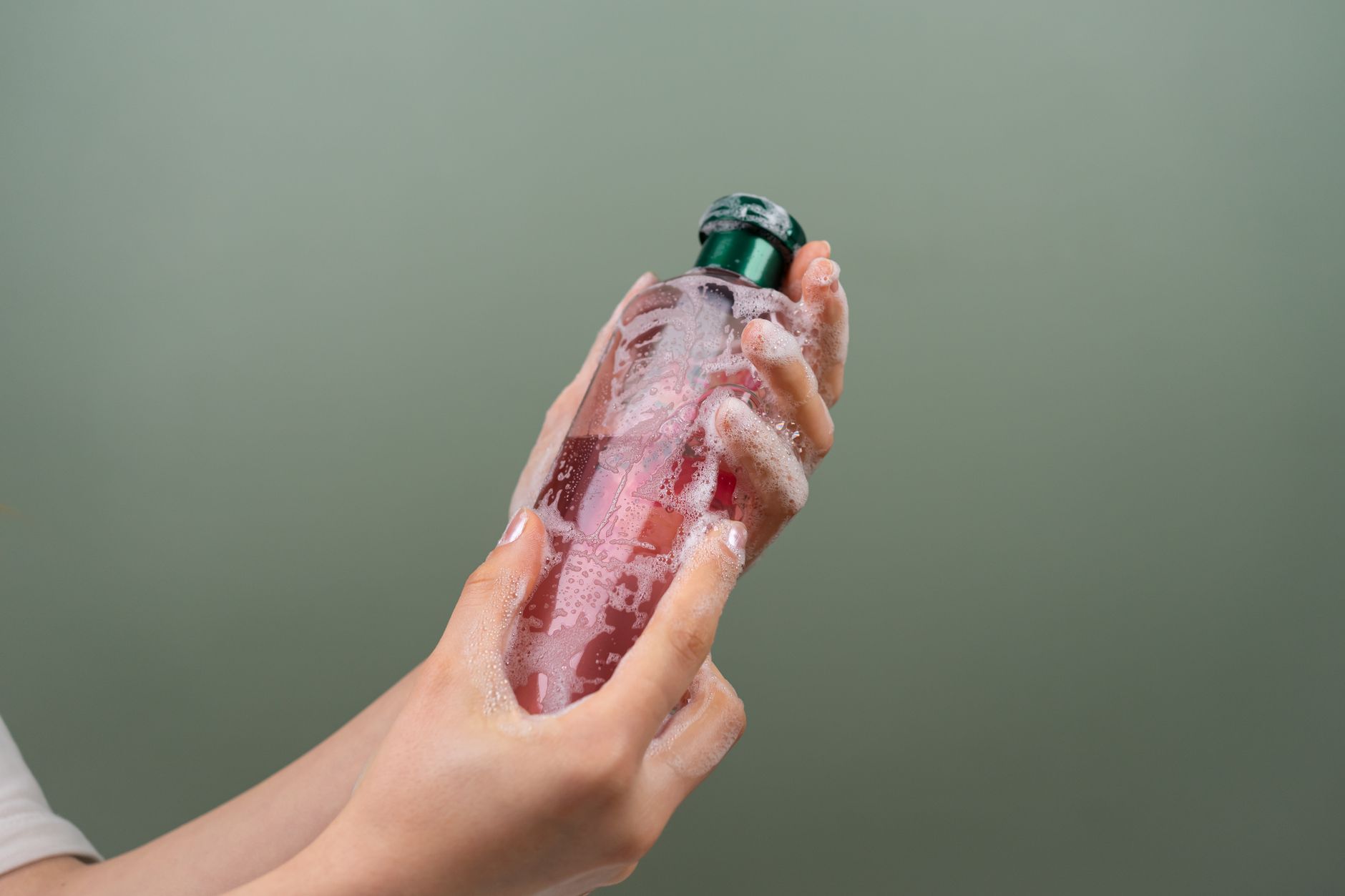
Some people may find it useful to use a wash-off formula rather than a leave-on cream. This method can be gentler on the skin while still providing the necessary antibacterial benefits. Always read the product label for specific instructions on how to apply the medication correctly.
Common Side Effects and Management
While effective, this treatment can lead to some temporary side effects. Dryness, scaling, and mild burning sensations are common when you first start using it. These symptoms often subside as your skin builds tolerance to the active ingredient.
Another thing to keep in mind is that this medication can bleach fabrics. Be careful when applying it near clothing, towels, or pillowcases, as it may cause permanent color changes. Washing your hands thoroughly after application can help prevent accidental transfer to fabrics.
If you have sensitive skin, it is wise to perform a patch test before applying it to your entire face. Apply a small amount to your inner arm and wait 24 hours to check for a reaction. This simple step can help you avoid widespread discomfort.
Managing your skin health often requires a balanced approach. You can learn more about back acne causes and treatment options if you are dealing with breakouts in other areas. Consistency in your routine is the best way to support your skin’s healing process.
When to Consult a Healthcare Professional
While many people find success with over-the-counter treatments, some conditions require professional guidance. If your acne is severe, painful, or leaving scars, it is time to see a doctor. A dermatologist can provide a personalized plan that may include stronger medications.
You should also seek advice if you experience signs of an allergic reaction. This may include swelling, hives, or difficulty breathing. While rare, these symptoms require immediate medical attention to ensure your safety and well-being.
Professional care is also important if your symptoms do not improve after several months of consistent use. A doctor can evaluate whether other factors, such as hormonal changes or underlying skin conditions, are contributing to your breakouts. They may suggest alternative therapies or lifestyle adjustments.
Remember that managing skin health is a journey. Sometimes, issues like rosacea, common triggers and treatment options might mimic acne-like symptoms. A professional diagnosis helps ensure you are using the right treatment for your specific needs.
Building a Consistent Skincare Routine
A successful approach to skin health involves more than just one product. Using benzoyl peroxide for acne works best when combined with a gentle cleanser and a non-comedogenic moisturizer. Non-comedogenic means the product is formulated not to clog pores.
Avoid scrubbing your face too hard, as this can damage the skin barrier and make inflammation worse. Use gentle, circular motions when washing your face. Pat your skin dry with a clean towel rather than rubbing it vigorously.
Consistency is the foundation of any effective skincare routine. Skipping days or frequently changing products can disrupt your skin’s progress. Try to keep your routine simple and manageable so you can stick with it long-term.
If you have questions about other skin issues, you might find our article on anemia warning signs adults should recognize helpful for understanding how internal health can affect your overall well-being. Good health starts with listening to your body and seeking professional advice when needed.
Conclusion
Understanding how benzoyl peroxide for acne works can empower you to manage breakouts more effectively. By killing bacteria and clearing dead skin cells, this ingredient serves as a reliable tool for many individuals. Remember that success requires patience, consistent application, and a gentle touch to protect your skin barrier.
Always prioritize sun protection and monitor your skin for signs of irritation. If you feel overwhelmed or do not see the results you expect, a qualified dermatologist can provide the support you need. With the right approach, you can maintain healthier, clearer skin over time.
This article is for educational purposes only. It is not a substitute for professional medical advice, diagnosis, or treatment. Always consult a qualified healthcare provider regarding your health.
Frequently Asked Questions
Can I use benzoyl peroxide with other acne treatments?
You can often combine it with other treatments, but be cautious. Using multiple drying products at once can cause severe irritation. It is best to introduce one new product at a time or consult your dermatologist about a safe routine. Some combinations, like certain retinoids, may need to be applied at different times of the day to avoid interactions.
How long does it take for benzoyl peroxide to work?
Results typically take about four to six weeks of consistent daily use. Some people may notice minor changes sooner, while others might need more time for their skin to adjust and clear. It is important not to give up too early. If you see no improvement after three months, reach out to a healthcare professional for further guidance.
Is benzoyl peroxide safe for all skin types?
It is generally safe for most, but those with sensitive skin or conditions like eczema may experience significant irritation. If you have very dry or sensitive skin, look for lower concentrations or wash-off formulas. Always perform a patch test first to ensure your skin tolerates the product well before applying it to larger areas of your face.