

























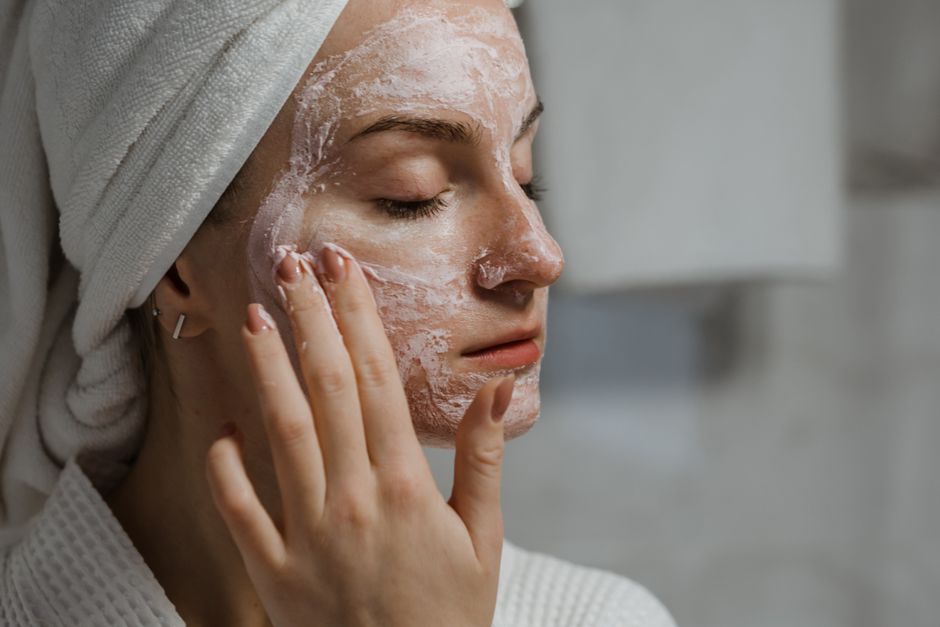
Finding new changes on your skin can be concerning. Many people notice dark spots on face areas that were previously clear. These spots are often related to how your skin produces pigment. Understanding why these marks appear is the first step in managing your skin care routine effectively.
This article explores the primary reasons behind skin discoloration. We will also discuss how to protect your skin and when to seek advice from a medical professional. By learning about your skin, you can make informed decisions to maintain a healthy complexion.
Understanding Sun Exposure and Pigmentation
The most frequent reason for developing patches of uneven skin tone is sun exposure. When your skin is exposed to ultraviolet (UV) light, it produces melanin as a defense mechanism. This process is what leads to a tan, but it can also cause uneven clusters of pigment.
Over time, frequent sun exposure leads to solar lentigines, often called age spots. These are small, darkened areas that typically appear on skin frequently exposed to the sun. You might notice them on your cheeks, forehead, or nose.
Protecting your skin remains the best way to prevent these spots from darkening further. Using broad-spectrum sunscreen daily is a standard recommendation from the American Academy of Dermatology. Consistent sun protection helps keep existing spots from becoming more noticeable.
If you have concerns about your skin, you may want to read about how cold weather affects the skin to learn more about environmental impacts. Keeping your skin hydrated and protected in all seasons supports overall health. Remember that prevention is often easier than treatment when it comes to sun-induced pigmentation.

Post-Inflammatory Hyperpigmentation Explained
Sometimes, dark spots on face areas develop after an injury or skin condition heals. This is known as post-inflammatory hyperpigmentation. It occurs because the skin produces extra melanin while it is in the process of repairing itself.
Common triggers for this type of discoloration include acne breakouts, bug bites, or even skin scrapes. When the inflammation subsides, a flat, darkened spot often remains. While these spots are not scars, they can take a long time to fade on their own.
Managing your skin during an active breakout can help reduce the risk of these marks. For those dealing with acne, learning about azelaic acid for acne and dark spots may provide helpful insights. Proper treatment of the underlying condition is essential to prevent new spots from forming.
Be patient with your skin during the healing process. Harsh scrubbing or picking at spots can often make the discoloration worse or cause it to last longer. Gentle care is usually the most effective approach for long-term skin health.
Hormonal Changes and Skin Discoloration
Hormones play a significant role in how our skin functions. Melasma is a common skin condition characterized by patches of dark, discolored skin. It is often linked to hormonal shifts, such as those occurring during pregnancy or through the use of certain medications.
These patches usually appear on the forehead, cheeks, and upper lip. While they are not harmful, many people seek ways to manage their appearance. Hormonal fluctuations can make your skin more sensitive to sunlight, which may intensify the color of these patches.
If you suspect your skin changes are related to hormones, it is best to consult a healthcare provider. They can help determine if your medications or other factors are contributing to the issue. They may also suggest safe ways to manage your skin care while dealing with these changes.
Always avoid using unverified treatments or DIY remedies. Some products may irritate your skin further or cause an allergic reaction. A professional can guide you toward evidence-based options that suit your specific needs.
When to See a Healthcare Professional
While many dark spots are harmless, it is important to monitor your skin for any unusual changes. If a spot changes shape, size, or color, you should have it evaluated. Regular skin checks are a good way to stay proactive about your health.
You should also consult a professional if a spot begins to bleed, itch, or crust over. These symptoms are not typical for standard hyperpigmentation and require a medical opinion. Early evaluation ensures that you receive the correct diagnosis and appropriate guidance.
When you visit a doctor, they may perform a physical exam to look at the affected area. They can distinguish between common pigment issues and other conditions that might need more specific treatment. This professional assessment provides peace of mind and clear next steps.
For those interested in maintaining overall skin health, you might also be interested in how benzoyl peroxide for acne works if you struggle with breakouts. Maintaining a consistent, gentle routine is always better than chasing quick fixes. Your provider can help you build a plan that works for your skin type.

Prevention and Long-Term Skin Care
Maintaining a healthy complexion involves consistent habits. The most effective strategy for preventing dark spots on face is daily sun protection. Wearing a hat and seeking shade when the sun is strongest can also offer extra defense.
In addition to sun protection, a gentle skin care routine is vital. Use mild cleansers and moisturizers that do not irritate your skin. Aggressive treatments can sometimes cause more inflammation, leading to more dark spots over time.
Patience is key, as skin cells take time to regenerate. Most skin care improvements require weeks or even months of consistent application. Focus on protecting your skin barrier rather than trying to erase spots overnight.
Finally, remember that everyone’s skin is unique. What works for someone else may not work for you. Always prioritize gentle, evidence-based practices and consult your healthcare provider if you have specific concerns about your skin health.
Conclusion
Understanding the causes of dark spots on face can help you take better care of your complexion. Whether caused by sun exposure, inflammation, or hormonal changes, most dark spots are manageable with the right approach. Prioritize sun protection and gentle skin care to maintain your skin’s health over time.
If you are concerned about persistent spots, do not hesitate to contact a qualified healthcare professional. They can provide a proper diagnosis and personalized recommendations that are safe for your skin. Consistent, evidence-based care is the best way to support your skin’s long-term appearance and health.
This article is for educational purposes only. It is not a substitute for professional medical advice, diagnosis, or treatment. Always consult a qualified healthcare provider regarding your health.
Frequently Asked Questions
Are dark spots on the face permanent?
Many dark spots are not permanent, but they can take a long time to fade. With proper sun protection and consistent, gentle skin care, many spots will gradually lighten. However, some deep pigmentation may persist or require professional treatment to see significant improvement. Always consult a dermatologist to understand the specific type of spot you have and the best options for your skin.
Can diet affect skin pigmentation?
While there is no specific diet that cures dark spots, eating a balanced diet rich in antioxidants can support overall skin health. Nutrients found in fruits and vegetables help protect skin cells from damage. However, diet alone will not replace the need for sun protection and proper skin care. Focus on a well-rounded diet to support your body’s natural healing processes.
Is it safe to use bleaching creams for dark spots?
You should avoid using over-the-counter bleaching creams without professional guidance. Some products contain ingredients that may cause irritation, sensitivity, or even worsen the pigmentation if used incorrectly. It is much safer to discuss your concerns with a healthcare provider or dermatologist. They can recommend treatments that are proven to be safe and effective for your specific skin type and condition.