


























Why Using the Right Amount of Sunscreen Matters
Many people apply sunscreen, but they often use far too little to get the protection listed on the bottle. Knowing how much sunscreen to apply is essential for blocking harmful ultraviolet (UV) rays effectively. When you skimp on coverage, your skin does not receive the full SPF benefits.
Sunscreen acts as a shield against sun damage, which can lead to premature aging and skin health concerns. Proper coverage ensures that all exposed areas of your skin are shielded. If you apply only a thin layer, you may leave vulnerable spots completely unprotected.
Think of sunscreen as a vital tool for skin maintenance. Just as you would use enough soap to clean your hands, you need enough product to cover your skin. Understanding the correct amount helps you build a safer daily routine.
For those interested in other ways to support skin health, you can read about how diet may affect skin health. Combining good nutrition with sun protection creates a strong foundation for long-term wellness.
The Recommended Amount for Full Coverage
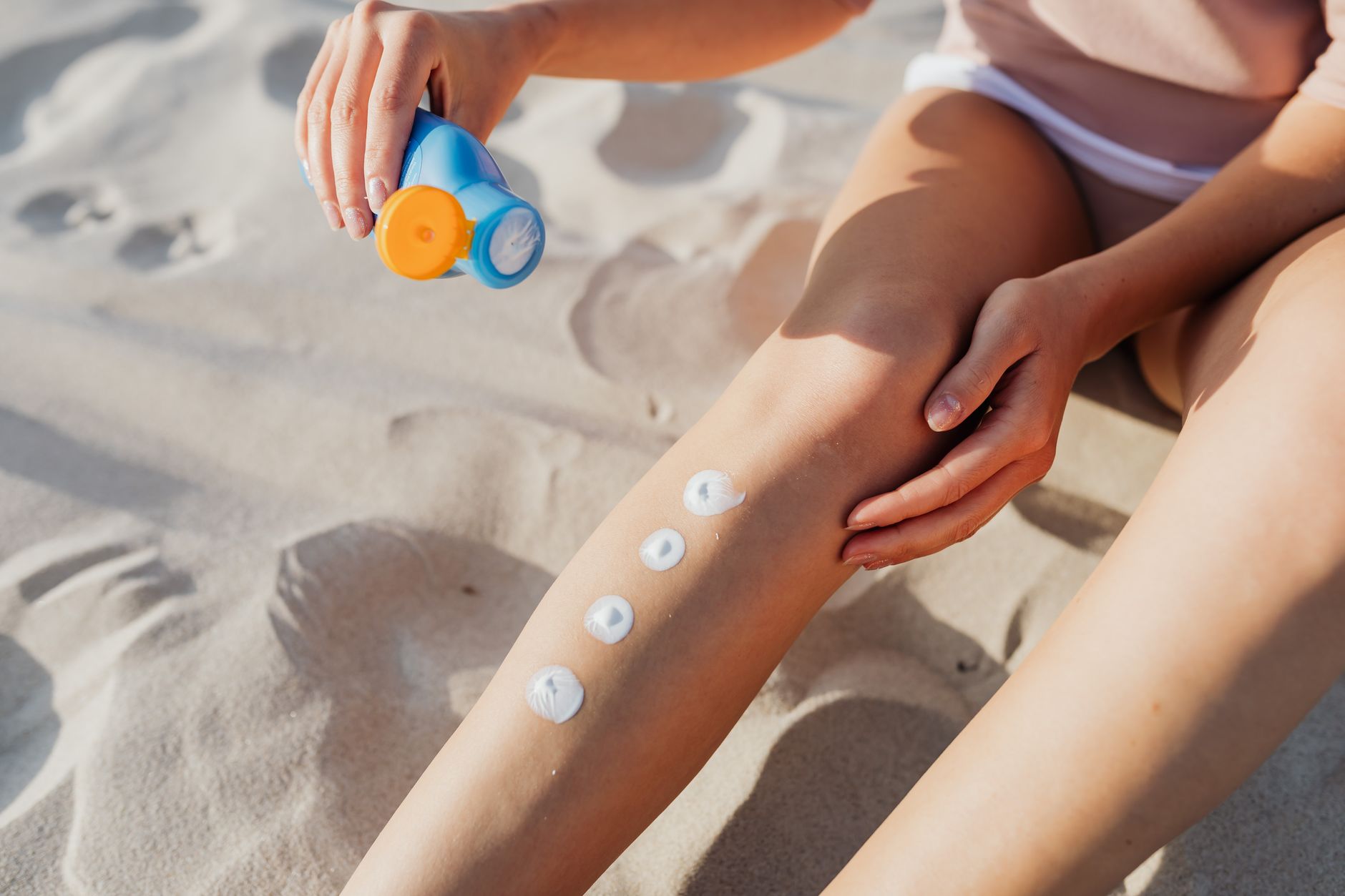
Dermatologists often recommend a simple guideline to ensure you are using enough product. For an average adult, you should use about one ounce, or a full shot glass, for the entire body. This quantity provides the coverage needed to achieve the SPF rating on the label.
If you are only applying it to your face, a smaller amount is usually sufficient. A common recommendation is to use about a nickel-sized dollop for the face and neck. Applying this amount daily helps protect your skin from incidental sun exposure.
Remember that these are general guidelines. You may need more or less depending on your body size and the amount of skin you are exposing. The goal is to create an even, visible layer that covers all skin surfaces.
Consistency is key to maintaining this habit. By measuring your application, you remove the guesswork and ensure reliable protection. If you are unsure about your specific needs, consult a certified dermatologist for advice.

Techniques for Better Sunscreen Application
Beyond knowing how much sunscreen to apply, your technique plays a major role in success. Many people miss common areas like the tops of the feet, ears, and the back of the neck. Take your time to rub the product in thoroughly to avoid patchy coverage.
Applying sunscreen before you head outside is also important. Most products need about 15 minutes to absorb and form a protective film on your skin. If you wait until you are already in the sun, you may experience a burn before the product begins to work.
The Importance of Reapplication
Sunscreen does not last all day, especially if you are sweating or swimming. You should reapply your product at least every two hours. If you are active, check the label to see if your sunscreen is water-resistant.
Reapplication ensures that the protective barrier remains intact throughout the day. Even on cloudy days, UV rays can reach your skin and cause damage. Keeping a travel-sized bottle with you makes it easier to stay protected while on the go.
If you have questions about skin reactions or other concerns, you might find it helpful to look at different types of acne and how to identify them. Sometimes, skin issues can be confused with sun irritation, so knowing the difference is valuable.
Common Mistakes to Avoid
One of the most frequent mistakes is assuming a high SPF means you can use less product. Regardless of the SPF number, the amount you apply remains the same. A high SPF does not compensate for thin, uneven application.
Another common error is relying solely on makeup that contains SPF. While makeup with sun protection is a great addition, it rarely provides the density needed for full coverage. Always layer a dedicated sunscreen underneath your makeup for the best results.
Avoid storing your sunscreen in hot places, such as a parked car. Heat can break down the ingredients and make the product less effective over time. Keep your sunscreen in a cool, shaded place to maintain its quality.
Finally, do not forget to check the expiration date on your bottle. Expired sunscreen may not provide the protection you need. If a product has changed in color, smell, or texture, it is best to replace it.
When to Seek Professional Guidance
If you notice persistent redness, unusual spots, or skin changes, it is time to see a doctor. While sun protection is a great preventive measure, it does not replace regular skin exams. A professional can help you monitor your skin health over time.
Those with a history of skin concerns should be especially diligent. Your doctor can provide personalized advice on the type of sunscreen that works best for your skin. They can also explain how to perform self-exams to catch changes early.
Never ignore signs of skin irritation or discomfort that do not go away. While many issues are minor, it is always safer to have them evaluated by a professional. Early detection is often the most effective way to address skin changes.
Remember that your healthcare provider is a partner in your wellness. Be honest about your sun habits and any concerns you have. They can offer practical tips to help you stay safe and comfortable in the sun.
Practical Daily Sun Protection Tips
Building a habit requires keeping things simple and easy. Store your sunscreen near your toothbrush or by your front door to act as a visual reminder. When it is part of your morning routine, you are much more likely to remember it.
Choose a product that you enjoy using, as this increases the likelihood of consistent application. There are many textures and formulas available, ranging from light lotions to sprays. Find one that feels comfortable on your skin and fits your lifestyle.
Consider wearing protective clothing, such as hats and sunglasses, to supplement your sunscreen use. These items provide an extra layer of defense for your face and eyes. A balanced approach gives you the best protection possible.
This article is for educational purposes only. It is not a substitute for professional medical advice, diagnosis, or treatment. Always consult a qualified healthcare provider regarding your health.
Frequently Asked Questions
Does SPF 50 provide double the protection of SPF 25?
No, SPF ratings do not work in a linear way. SPF 30 blocks about 97% of UV rays, while SPF 50 blocks about 98%. A higher number offers slightly more protection, but no sunscreen blocks 100% of UV rays. The most important factor is applying enough product and reapplying it regularly throughout the day.
Should I use different sunscreen amounts for my body and face?
Yes, the amount varies because the surface area is different. Use about a nickel-sized amount for your face and neck, and approximately one ounce for your entire body. Focus on covering all exposed areas evenly. Using the right amount for each specific area ensures you are protected without wasting product.
Can I use a spray sunscreen instead of a lotion?
You can use a spray, but it can be difficult to ensure uniform coverage. To use a spray effectively, apply it until you see a visible sheen on your skin, then rub it in well to prevent missed spots. Never spray directly onto your face; instead, spray it into your hands first and then apply it to your face.