

























Understanding Back Acne
Many people deal with breakouts beyond their face. Back acne, often called “bacne,” occurs when hair follicles under the skin become clogged with oil and dead skin cells. This common condition can be frustrating, but understanding why it happens is the first step toward clearer skin.
Your skin contains sebaceous glands that produce oil, known as sebum. When too much oil is produced, or when pores are blocked, bacteria can grow, leading to inflammation. Because the skin on your back is thick and contains many oil glands, it is a frequent site for these types of breakouts.
Anyone can develop this condition, regardless of age or skin type. While it is often associated with puberty, adults frequently experience it as well. If you are struggling with persistent skin issues, you may want to look at our guide on managing skin inflammation to see if your routine needs adjustment.
Common Triggers and Causes
Several factors contribute to the development of back acne. Genetics often play a major role in how your skin reacts to oil and bacteria. If your family members have dealt with breakouts, you might be more prone to them as well.
Hormonal changes are another significant factor. Fluctuations in hormones can cause your glands to produce excess oil, which clogs pores. This is why many people notice more breakouts during certain times or life stages.
External factors also play a part. Tight clothing, heavy backpacks, or sports gear can trap sweat and bacteria against your skin. According to the American Academy of Dermatology, friction and pressure on the skin can worsen existing breakouts significantly.
Effective Back Acne Treatment Options
Finding the right back acne treatment often starts with over-the-counter products. Cleansers containing salicylic acid or benzoyl peroxide are commonly recommended to help clear pores and reduce bacteria. These ingredients help remove excess oil and encourage the turnover of dead skin cells.
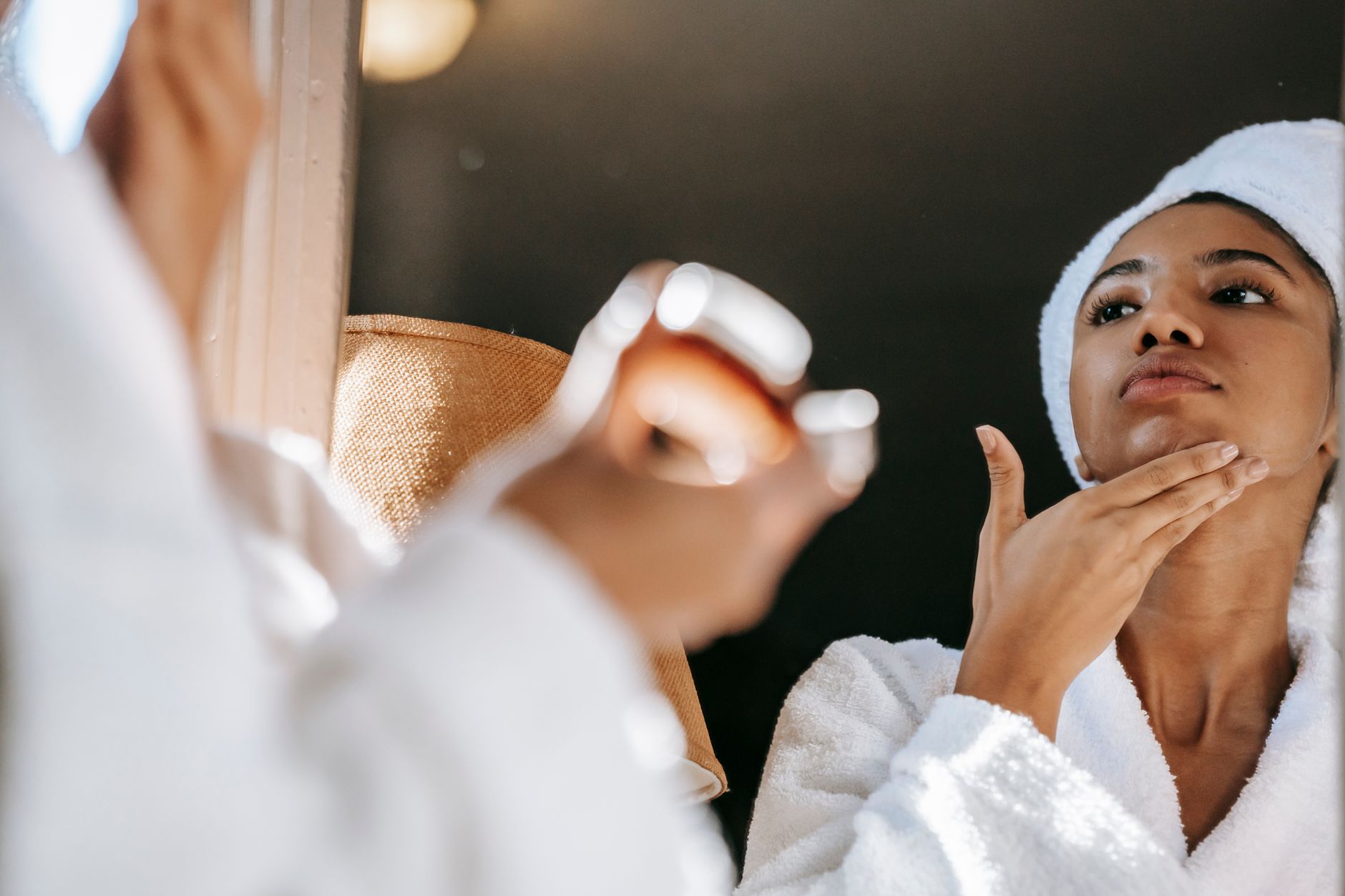
Consistency is vital when using these treatments. It often takes several weeks to see noticeable improvements in your skin. Be patient and continue your routine even if results are not immediate.
For more severe cases, topical or oral prescription medications may be necessary. A dermatologist can provide a personalized plan based on your specific skin needs. They might suggest retinoids or specialized antibiotics to target deeper inflammation.
Healthy Lifestyle Habits for Clear Skin
Adjusting your daily habits can greatly reduce the frequency of breakouts. Showering immediately after exercise is a simple but effective way to remove sweat and oils that clog pores. Using a gentle, non-comedogenic body wash can also prevent irritation.
Changing your bedding and clothing regularly helps minimize exposure to bacteria. Ensure your laundry detergent is fragrance-free if you have sensitive skin. These small changes can support your overall skin health and help you manage hygiene-related skin concerns effectively.
Dietary habits may also influence your skin. While individual triggers vary, keeping a food diary can help you identify if certain items make your breakouts worse. Staying hydrated and maintaining a balanced diet helps your body function at its best.
When to See a Healthcare Professional
Recognizing When Back Acne Requires Expert Care
While many cases respond to home care, some situations require a doctor’s visit. If you notice large, painful nodules or cysts, professional treatment is highly recommended to prevent permanent scarring. These types of lesions often penetrate deep into the skin.
If over-the-counter products have not helped after several months, it is time to consult a professional. A doctor can evaluate your skin and determine if you need stronger prescription treatments. They can also rule out other skin conditions that might look similar but require different approaches.
Early intervention is always better. Seeking help early can prevent the condition from worsening and protect your skin’s texture in the long run. If you are also dealing with other wellness concerns, such as monitoring your health markers, discuss these with your provider as well.
Conclusion
Managing back acne is a journey that requires patience and a consistent routine. By understanding the causes, such as hormones and friction, you can take proactive steps to improve your skin. Start with gentle, evidence-based treatments and adjust your lifestyle habits to keep your pores clear.
If your skin does not improve with simple changes, reach out to a healthcare professional for guidance. With the right support, you can successfully manage back acne and regain your confidence. This article is for educational purposes only. It is not a substitute for professional medical advice, diagnosis, or treatment. Always consult a qualified healthcare provider regarding your health.
Frequently Asked Questions
Can scrubbing my back help clear up acne?
It is best to avoid harsh scrubbing. Vigorous scrubbing can irritate the skin, cause inflammation, and potentially make breakouts worse. Instead, use a soft cloth or a gentle chemical exfoliant recommended by a dermatologist. Treating your skin gently helps it heal more effectively without causing further damage to the protective barrier.
Is it okay to pop pimples on my back?
You should never pop, squeeze, or pick at pimples. This action can force bacteria deeper into the skin, leading to more severe inflammation and permanent scarring. It also increases the risk of spreading the bacteria to surrounding areas. Let your skin heal naturally or use approved topical treatments to help the pimples resolve.
Does sweat cause breakouts on the back?
Yes, sweat can contribute to breakouts. When sweat is trapped under clothing or gear, it creates an environment where bacteria thrive. This is especially true after workouts or in hot weather. Showering promptly after sweating and wearing moisture-wicking fabrics can significantly reduce the risk of clogged pores and skin irritation.