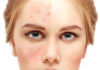


























Worry about acne scars and want to remove acne scars overnight ? The most typical skin condition throughout the world is acne. Unfortunately, many acne sufferers ultimately develop an additional issue: Acne scars. These scars or spots can appear on the face and in other places. They are an unpleasant reminder of some people’s painful and annoying conditions. However, there are natural cures and medical procedures that can help get rid of them.
According to the American Academy of Dermatology, acne scars are a sign of healing. Whenever acne is cleared out, the skin makes an effort to repair the harm caused by pimples or acne by producing collagen. A concave scar results from too little collagen, and too much will result in a raised scar.
This blog helps you find out what removes acne scars Overnight and how to promote healthy skin.
What Removes Acne Scars Overnight?
Acne scars are tough to eliminate, and no single treatment is effective for everyone. Depending on the type of scar, your skin type, and the degree of scarring, the following methods may help you have clearer skin.
Medical Treatments
A dermatologist can suggest a suitable procedure or combination of therapies depending upon the acne scars severity.
1- Microneedling

It is also knowns as collagen induction therapy. It is the procedure in which tiny needles are inserted into the skin around the scars to stimulate collagen production. This collagen may lessen the visibility of atrophic acne scars. It also reduces wrinkles and dryness and enhances skin texture.
It is an uncomplicated, risk-free technique that may lessen acne scarring. Some people experience pain, redness, and inflammation after it, but over time, these effects subside.
2- Chemical Peels

A dermatologist applies a chemical solution (such as trichloroacetic acid (TCA)) to the skin. As a result, skin starts to blister and finally peel off, regenerating new skin that is typically smoother than old.
Peeling typically results in redness for up to seven days and occasionally swelling and cold sores. It is inexpensive because you usually only require one treatment session.
3- Laser Treatment

Laser therapy renews the skin’s surface without using chemicals or scrubs. It exposes the younger skin cells beneath the top layer of skin, which might lessen the visibility of scarring.
Raised scars’ appearance and texture can be improved with their assistance. Pulsed dye laser therapy can also aid in lightening hyperpigmented spots.
4- Dermal Filler

Doctors may suggest soft tissue fillers to repair atrophic acne scars in specific circumstances. It is especially beneficial for boxcar and rolling scars. The following chemicals are recommended for this purpose.
- hyaluronic acid
- collagen
- polymethylmethacrylate
- poly-L-lactic acid
- silicon
Generally, results remain for a few months (hyaluronic acid last about three months), while certain fillers are permanent (such as silicon and polyacrylamide may never require replacement).
5- Injections

If a person develops hypertrophic or keloid scars, injections of corticosteroids may aid in softening and flattening elevated acne scar tissue. A dermatologist can provide these injections once every few weeks while keeping an eye on the effects.
6- Surgery
Dermatologists might suggest surgery to deal with acne scars if other treatments are unsuccessful. Punch excision, a minor surgery, is used to remove individual acne scars, and the wound is then stitched up or repaired with a skin flap.
Another method is subincision, in which fibrous scar tissue is disrupted, and depressed scars are “loosened” by inserting a sterile needle under your skin.
Natural/Home Remedies
These more natural, less invasive therapy methods can provide you with relief.
1- Honey

Honey promotes your body’s natural healing process, which could help acne scars diminish. Honey is used for multiple purposes, such as burns, acne scars, wound healing, etc. According to studies, it has the power to speed up wound healing and prevent scarring. Because of its antibacterial qualities, it can fight infection and help with wound clearing and cleansing.
2- Lemon

Lemon is a natural bleaching agent. It can be used to minimize pimple marks because of its lightning characteristics. Apply the lemon juice sparingly to the affected areas with the help of your fingertips or cotton and leave it for 10 to 12 min. Then rinse with lukewarm water.
3- Aloe Vera

Aloe vera is a popular natural medicine, just like honey. It functions similarly to speed up the healing process in the case of acne. A study found that directly applying aloe vera to wounds lower swelling and decreases the scar tissue’s size.
You can purchase organic aloe vera gel or gel-based products from the market or extract the gel from aloe vera plants.
4- Coconut Oil

Almost all skin conditions can benefit from coconut oil’s potent anti-inflammatory and antibacterial qualities. It promotes healthy skin cell growth that helps eliminate acne spots because it contains antioxidants, vitamins E, K, and other nutrients.
Apply coconut oil with fingertips on acne scars and leave it overnight for better results.
5- Rosehip Seed Oil
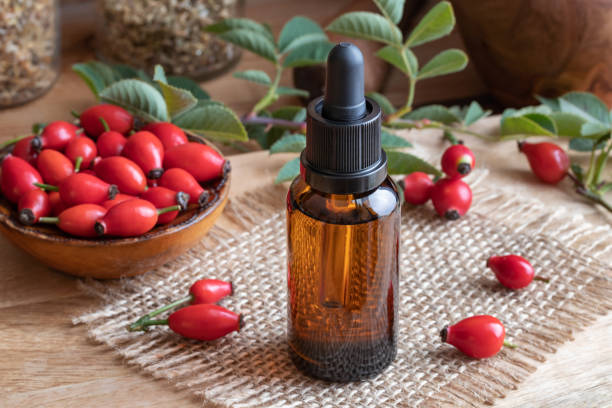
Rosehip is abundant in vitamin C, which is beneficial for treating acne scarring. It includes considerable amounts of essential fats and unsaturated fatty acids for treating acne scars. Apply it twice daily to reduce the visibility of scars, spots, and discoloration.
6- Orange Peel Powder

People who don’t know how to remove pimple marks from their skin will love orange peel powder. It is rich in citric acid, which helps in lightening blemishes and brightening the complexion.
Take an orange powder, mix it with honey, and make a paste. Apply it on spots or blemishes and leave it for 15 min, then rinse with water. Try it once every other day to get rid of pimple marks.
Wrapping Up

Acne scars can act as an unpleasant reminder of acne and lower some people’s self-esteem. However, treatment frequently lessens their appearance. Some scars do not disappear over time or with home remedies. Although they do lighten up, they never entirely disappear. Ask a dermatologist about pimple marks/scars if you have had such a condition for a long time.
Related Article:
FAQs
Q: Which oils are most effective in removing acne scars?
A: Rosehip seed oil, black seed oil, castor oil, olive oil, and coconut oil are all highly beneficial to skin restoration. They also aid in lessening the visibility of acne scars.
Q: How long does it take acne scarring to fade?
A: The scars typically fade after three to six months, but it may also take a long time (more than a year) depending upon the severity of the acne scars.
Q: Which vitamin helps acne scars the most?
A: Vitamin C deals with acne scars by promoting collagen synthesis, which is necessary for rebuilding healthy skin and is responsible for the structure of your skin. Consequently, this vitamin can hasten the healing of acne scars.