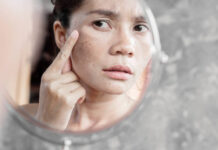

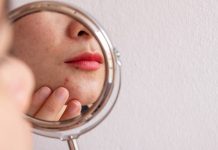
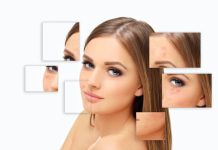
















Adult acne frequently affects a particular region of the body or the face. Some people may have persistent acne around their mouths.
Acne typically requires medication by reading this blog, you know what causes adult acne around the mouth and how to cure and avoid it. It is a skin condition that develops when dead skin cells, bacteria, and sebum (the skin’s natural oil) get trapped in the pores.
Sometimes there isn’t a solid reason why acne develops. However, there might be an apparent cause of pimples consistently growing in the same body region, like around the mouth, such as cosmetics, shaving creams, toothpaste, etc.
Acne typically requires medication rather than dietary or lifestyle modifications. But there are specific actions one can do to lessen or stop a breakout.
What Are The Causes Of Acne Around The Mouth?

The most common locations to experience breakouts are on the face, along the T-shaped zone that runs from the forehead down your nose to your chin. It is due to the sebaceous glands’ higher concentration on the forehead and chin.
Acne’s root cause is unknown, but here are some typical causes of acne around the mouth mentioned below.
Shaving
You could get acne if your shaving cream or oil clogs your pores or irritates your skin.
Oil-Based Cosmetics Products
Oil-based cosmetics such as creams, lotions, makeup, and other products clog your skin pores. The outcome? Acne.
Lip Balm
If lip balm spreads off your lips and onto your skin, the wax in it may clog pores.
Toothpaste
Certain toothpaste products contain an ingredient, sodium lauryl sulfate, which is believed to cause skin irritation and result in acne.
Mobile Phone Usage
Anything that touches your chin has the potential to clog pores. You can have mouth or chin acne if you hold your cell phone on your chin when you talk.
Friction
You might get acne if you habitually touch and rub the region around your mouth—this type of acne is known as acne mechanica, which is brought on by friction. Certain types of equipment can lead to inflammation and, eventually, acne.
- Helmet straps
- Pillowcases
- Musical instruments such as the violin
- Masks
- Or anything that consistently touches the area around the mouth.
Hormones
Fluctuation in sex hormones, mainly androgens, cause the sebaceous glands to secrete more oil than usual which can cause acne breakouts by clogging pores.
The following factors may cause hormonal fluctuation:
- Puberty
- Menstruation and pregnancy
- Menopause
- Ovary-related problems, for example, polycystic ovary syndrome (PCOS)
- Certain medications such as birth control pills
Genetics
Certain people are predisposed to having an accumulation of oil, dead skin cells, and acne-causing bacteria around their mouths. But it does not mean they cannot eliminate their acne with a successful, multi-step skincare regimen.
What Are the Most Effective Treatments for Acne Around the Mouth?
The severity and frequency of acne breakouts will determine how to treat acne around the mouth. In reality, you have a variety of solutions to assist your skin in becoming clean and healthy. To treat acne around your mouth, use these methods:
1- Over-The-Counter Treatments

Over-the-counter medications which contain salicylic acid or benzoyl peroxide work in numerous ways to treat and stop mild to moderate acne breakouts. SA acts as a desmolytic, which helps break up the debris in clogged pores and promotes exfoliation by softening the proteins that hold skin cells together.
Benzoyl peroxide, which acts as a keratolytic agent, exfoliates the top layer of skin to reduce acne. These two compounds are available in an extensive range of skin care products such as creams, cleansers, serums, etc.
2- Topical Retinoids

Topical retinoids are one of the good options to minimize and stop acne. You can use over-the-counter retinol and isotretinoin medications to treat mild to moderate acne. These lessen swelling and prevent the growth of comedones. You must use prescription retinoid medications if you have severe acne. For product suggestions, talk to your dermatologist.
3- Antibiotics

You might need oral antibiotics to control bacteria if you have moderate to severe acne. They lessen the number of acne-causing bacteria (e.g., Propionibacterium acnes) in the follicles and the skin’s surface. They also possess anti-inflammatory properties that help decrease pimple redness and inflammation.
Tetracyclines (minocycline, doxycycline) or macrolides (erythromycin, azithromycin) are first-line medications for treating acne.
A macrolide may be an alternative for those who cannot take tetracyclines, such as pregnant women and children under the age of eight.
4- Natural Remedies
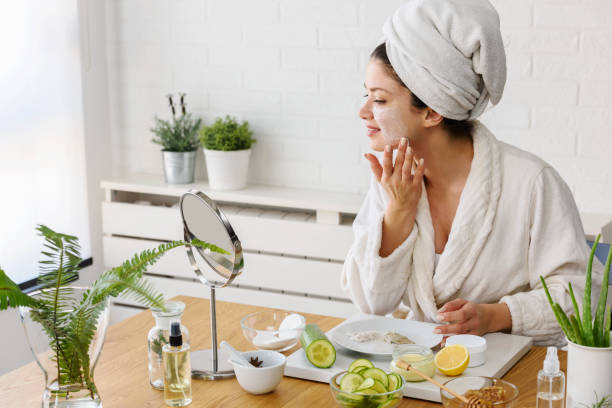
Many natural therapies have been demonstrated to be successful in treating acne by reducing excess sebum (oil) and eradicating germs.
- Tea tree oil possesses anti-inflammatory and antibacterial qualities, which have been proven to reduce acne breakouts.
- Apple cider vinegar can combat acne-causing bacteria.
- Green tea contains antioxidants that lower blood sugar to deal with acne.
- Witch hazel from the witch hazel shrub helps minimize skin inflammation.
- Aloe vera gel calms the skin and lessens irritation.
How To Prevent Adult Acne Around The Mouth?

Acne can be prevented with good skin care practices. Here are several examples:
- Wash your face two times every day with a mild cleanser, especially after you’ve sweated.
- Take a shower after a workout.
- Don’t touch or pick at your pimples.
- After eating, wipe your mouth and the surrounding region, and avoid oily meals. The oil in these foods may increase the chances of acne breakouts.
- Regularly changing sheets and pillowcases can prevent bacteria from contacting the mouth or face.
- Use cosmetics that are “non-comedogenic” (not pore-clogging), and remove makeup before bed.
Wrapping up

Acne that can come out around the mouth is various varieties such as Whiteheads, blackheads, and cysts. The most common cause is hormonal fluctuations in male and female teenagers and adult women. External causes may include cosmetics or often touching the mouth area.
Combining medications and lifestyle changes can effectively treat acne.
Treatment for a breakout is more complicated than preventing clogged pores. However, over-the-counter medications may work well in getting rid of pimples. Select products with active components, and consult a dermatologist for any information and assistance.
Related Article:
How to Remove Acne Scars Overnight ?
FAQs
Q: Does acne on the face heal on its own?
A: No. You should take care of your skin and apply topical creams and ointments (if necessary) to lessen acne, whether it is inflammatory or non-inflammatory.
Q: Why am I getting acne around my mouth so frequently?
A: Acne around the mouth may result from persistent pressure on the area, such as using a cell phone or a musical instrument daily. Genetics and hormones both also have a substantial impact. Another potential culprit could be cosmetics or other facial products like toothpaste, lip balm, or shaving cream.
Q: What foods trigger adult acne?
A: Adult acne risk is reportedly increased by meals high in fat, sugar, and dairy ingredients.