


























Understanding the Connection Between Nutrition and Your Complexion
Many people focus on topical creams to improve their skin. However, your daily meals play a significant role in your overall appearance. Understanding diet and skin health is the first step toward nourishing your body from the inside out.
What you consume provides the building blocks for new skin cells. A balanced approach to nutrition may help your skin stay resilient and hydrated. While food is not a replacement for a medical treatment plan, it acts as a foundation for your skin’s natural repair process.
This article explores how specific nutrients support your skin. It also provides practical tips for making food choices that encourage a healthy glow. If you have chronic skin concerns, it is always wise to consult a healthcare professional for personalized advice.
Nutrients That Support Skin Vitality
Your skin requires a variety of vitamins and minerals to function well. For example, Vitamin C is essential for collagen production, which keeps skin firm. You can find this nutrient in citrus fruits, bell peppers, and strawberries.
Healthy fats are another critical component of diet and skin health. Omega-3 fatty acids, commonly found in walnuts, flaxseeds, and fatty fish, help maintain your skin’s moisture barrier. A strong barrier keeps irritants out and hydration in.
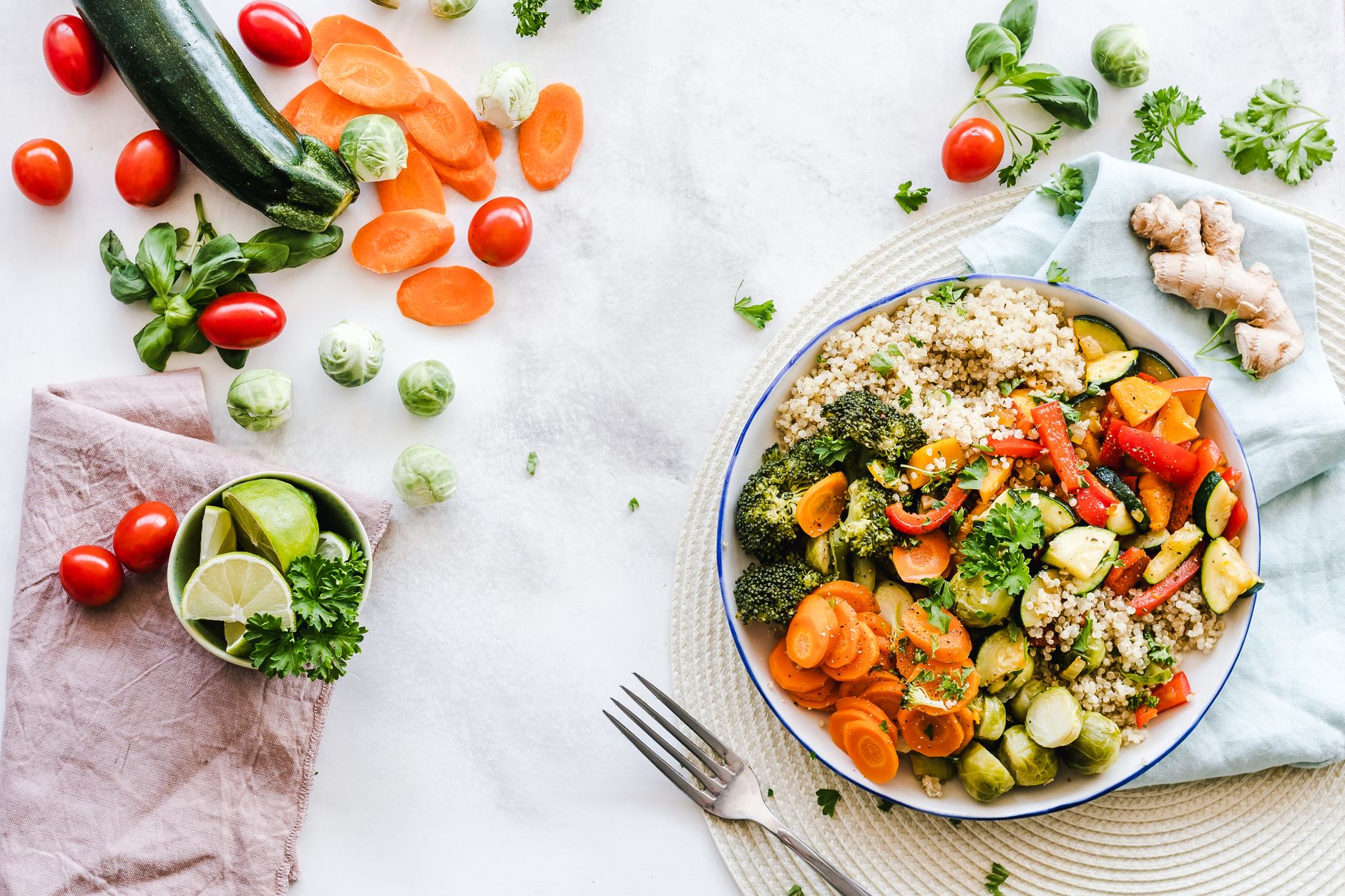
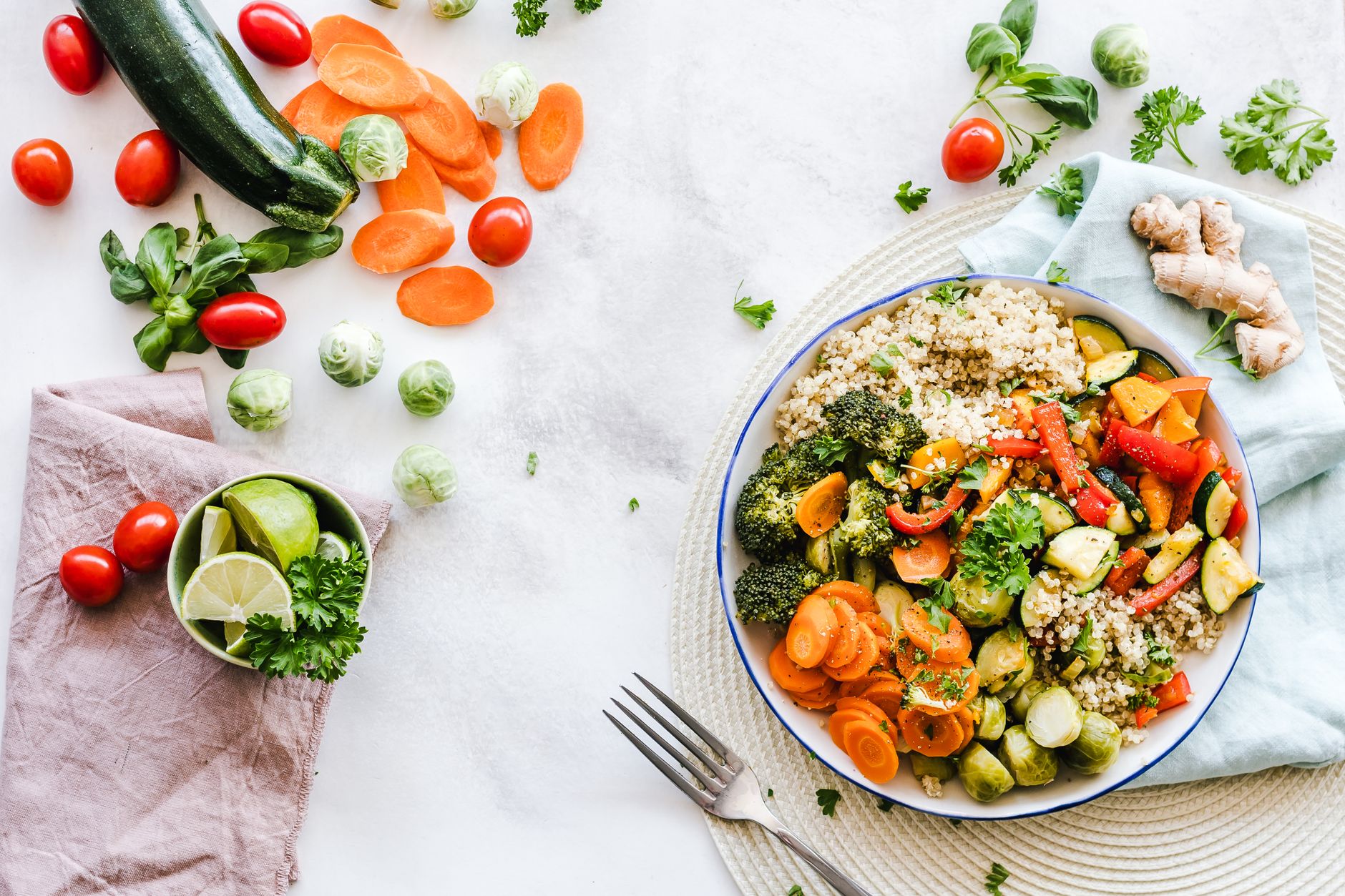
Zinc is also vital for skin repair and may help reduce inflammation. You can incorporate zinc into your meals by eating legumes, seeds, and lean proteins. Eating a diverse range of colorful vegetables ensures you get these necessary micronutrients.
As you adjust your habits, remember that consistency matters more than perfection. Small, gradual changes to your daily intake are often easier to maintain over time. For those interested in broader care, you might also want to learn how to choose a moisturizer for your skin type to complement your healthy eating habits.
The Role of Hydration and Whole Foods
Water is the most basic nutrient for skin health. Proper hydration helps maintain skin elasticity and may improve the appearance of fine lines. While plain water is best, you can also get fluids from hydrating fruits like watermelon and cucumber.
Processing and added sugars can sometimes contribute to skin inflammation. Many health experts suggest focusing on whole, unprocessed foods to lower your sugar intake. Foods like refined bread or sugary drinks can cause spikes in blood sugar levels.
When blood sugar rises rapidly, it may trigger hormonal changes that affect your skin. By choosing complex carbohydrates like oats or quinoa, you provide a steady source of energy. This stable energy level is better for your body and your skin.
If you have questions about how these changes impact other areas of your health, consider reading about how diabetes can affect the kidneys. Understanding how food affects your entire body helps you make better long-term decisions. Always prioritize whole, fresh ingredients whenever possible.
Common Food Groups to Consider
Certain food groups are frequently recommended for those seeking better skin. Antioxidant-rich foods, such as blueberries and dark leafy greens, help protect cells from damage. This protection is a key aspect of maintaining healthy, youthful-looking skin.
Protein is another essential building block. Whether you prefer plant-based sources like lentils or lean animal proteins, ensure you get enough throughout the day. Protein supports the structural integrity of your skin tissues.
Some people find that dairy or highly processed foods cause skin flare-ups. If you suspect a specific food impacts your skin, consider keeping a simple food diary. This can help you identify patterns before you speak with a dermatologist.
Remember that everyone’s body reacts differently to various foods. What works for one person may not be the same for another. Use these suggestions as a guide while you observe how your own skin responds to your unique nutritional choices.
When to Seek Professional Guidance
While diet is helpful, it is not a cure for chronic conditions. If you notice persistent rashes, severe acne, or sudden changes in your skin, contact a doctor. Self-diagnosis can sometimes delay necessary medical care.
A medical professional can determine if your skin issues are related to nutrition or an underlying condition. They may also suggest specific tests to rule out allergies or vitamin deficiencies. Never stop a prescribed treatment without talking to your doctor first.
Early intervention is often the most effective way to manage skin concerns. A doctor can provide a tailored plan that works alongside your healthy eating habits. They are the best source of information for your specific medical history.
If you are struggling with skin issues, you might also want to look into different types of acne and how to identify them. Knowing the cause of your symptoms is the first step toward finding the right treatment. Trust your healthcare provider to guide your path to recovery.
Practical Steps for Better Skin
Improving your diet and skin health does not have to be complicated. Start by adding one extra serving of vegetables to your lunch or dinner. Small additions are often more sustainable than restrictive diets.
Focus on variety to ensure you get a broad spectrum of nutrients. Try a new fruit or vegetable each week to keep your meals interesting. Your skin will likely benefit from the wide range of vitamins you provide.
Stay consistent with your hydration and sleep habits as well. These lifestyle factors work in harmony with your nutrition to support your skin. By taking care of your whole body, you naturally support your complexion.
This article is for educational purposes only. It is not a substitute for professional medical advice, diagnosis, or treatment. Always consult a qualified healthcare provider regarding your health.
Frequently Asked Questions
Can specific diets clear up acne instantly?
No, there is no magic diet that clears acne instantly. While managing your intake of processed sugars may help some people, acne is a complex condition. It often involves hormonal, genetic, and environmental factors. Focus on a balanced, nutrient-dense diet and consult a dermatologist for evidence-based treatments.
Does drinking water really improve skin appearance?
Yes, staying hydrated is essential for overall skin health. While it cannot solve every skin problem, proper hydration helps maintain skin elasticity and supports your body’s natural functions. Drinking enough water ensures your skin stays plump and healthy, which may improve its overall texture and appearance.
Should I take supplements for better skin?
It is generally better to get nutrients from whole foods rather than supplements. Whole foods provide a mix of vitamins and minerals that work together effectively. Always talk to your healthcare provider before starting any new supplement, as they can determine if you have a specific deficiency.