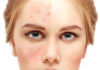
























If you have acne and worry about adult acne diet, you are not alone in this world. About 80% of people of all ages suffer from this. Adult acne, also known as hormonal acne, affects most commonly females than males. Many contributing factors include hormonal imbalance, bacteria, overproduction of sebum (oil), stress and anxiety, and genetics play a vital role in its progression.
Although medicine is usually used to treat the illness, lifestyle habits, such as your diet, can significantly impact symptom management.
This article will tell you about the adult acne diet and what foods should eat and avoid to cope with adult/hormonal acne.
What Is Acne?

Acne is a skin issue that can develop various pimples on the skin’s surface. When skin pores become clogged and inflamed, acne develops. Skin pores are microscopic openings that secrete sebum (oil) to lock moisture. If these pores are blocked by sebum or any other substances can result in pimple formation. These pimples can develop anywhere on the body. However, they usually appear on the:
- Face such as the forehead, around the mouth, nose, and cheeks.
- Neck
- Back
- Shoulders
- Chest
It’s categorized based on how severe it is.
- Mild acne: non to very few inflamed lesions, resolve within 7-14 days.
- Moderate acne: hard, painful, inflamed lesions that can develop pustules (pus-filled pimples). It takes several weeks to resolve.
- Severe acne: the ongoing development of deep, painful, inflamed lesions results in scars and emotional distress (depression). It takes over six months to resolve.
Even though this skin problem is prevalent in adolescents, it can persist into adulthood, and some people may even suffer it their entire lives.
What Are The Causes Of Adult/Hormonal Acne?
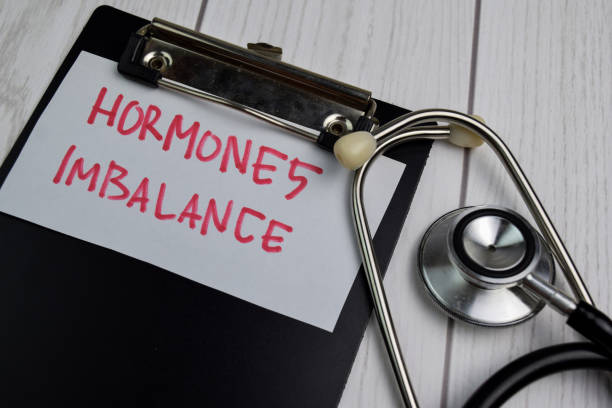
A wide range of complicated factors triggers acne. Most researchers said that androgen plays a vital role in acne formation. Androgens are sex hormones that can influence oil production (sebum) from the sebaceous gland. Several factors can trigger androgen levels, such as:
- Stress, anxiety, depression
- Puberty
- Menopause
- Pregnancy
- Certain medications like birth control pills
- Ovary-related conditions like PCOS (polycystic ovary syndrome).
Genetic predisposition is also a vital factor that can cause acne. Females are more prone to it than males because of their complex hormonal systems.
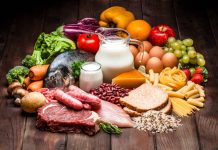
Adult/Hormonal Acne Diet
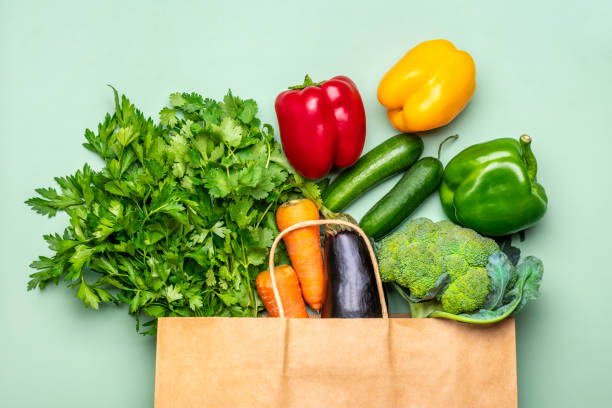
The evidence for a connection between food and acne is conflicting. However, some researchers have discovered that eating foods with a low glycemic index (GI) or avoiding particular items, such as cow’s milk, helps eliminate acne.
What Foods Are Considered To Be Good For Your Skin?
The following foods can reduce the risk of acne development.
Low glycemic index foods:

Recent research suggests that eating a low-glycemic diet can help prevent and alleviate acne. Your blood sugar won’t spike when you follow this diet because these spikes can lead to excessive oil production (sebum) in the skin and cause inflammation which is the leading cause of acne.
A Low GI diet includes:
- Fresh fruits and vegetables
- Whole grains and cereals
- Nuts and seeds
- Legumes
Keep in mind any dietary sensitivities or allergies you may have when planning your diet.
Antioxidants:

Antioxidants are chemicals that remove harmful substances from the body and lessen inflammation. According to studies, those with acne are more likely to be deficient in specific antioxidants, such as selenium. The foods rich in antioxidants are:
- Seafood, beef, and organ meat that have selenium
- Black, green, and white teas.
- Tomatoes, blueberries, watermelon.
- Spinach, broccoli, and carrots
- Pomegranates and red grapes.
- Vitamin C contains fruits such as oranges, limes, grapefruits, citrus, and strawberries.
Vitamins A and E:

Most researchers conclude that people deficient in vitamins A and E have more chances of severe acne development. They contend that increasing the intake of foods rich in these vitamins may help people minimize the severity of their acne.
Some vitamin A-containing foods are:
- Leafy green vegetables
- Beef liver and fish
- Mangoes
- Eggs
- Carrot, broccoli, sweet potatoes.
Some vitamin E-containing foods are:
- Sunflower oil, wheat germ oil, almond oil, and hazelnut oil
- Avocadoes, kiwis
- Eggs
- Nuts and seeds
Before taking vitamin A supplements, consult your doctor. Your organs may suffer long-term damage from vitamin A toxicity.
Omega-3 fatty acids:

Omega-3, Omega-6, and Omega-9 are fats naturally present in plants and protein-rich seafood like fish and eggs. These fatty acids in our body have an impact on inflammation. Diet rich in omega-3 FA helps decrease inflammation. The foods rich in omega-3 are:
- Fish like salmon, tuna, and mackerel
- Fish and algae oil
- Nuts and seeds, for example, chia seeds and walnut
- Berries, specifically blueberries.
- Eggs
Probiotics:

These are the solution to more than half of our skin’s issues. Probiotics help you fight acne by reducing inflammation and other acne-related symptoms. Some probiotics rich foods are:
- Yogurt
- Bananas, custard apple, watermelon
- Honey
- Green beans, cauliflower, carrots, radish, and cucumber
What Foods Should You Avoid To Combat Adult/Hormonal Acne?
If you are foody and love to eat fast foods, you are more prone to develop hormonal acne because you regularly consume foods and drinks with a high glycemic index. These foods and beverages significantly increase blood sugar levels, leading to acne vulgaris.
According to research, sugary drinks, dairy products, and processed foods may contribute to the development of acne and exacerbate its symptoms. Let’s have a look at which foods are believed to cause acne.
1- High glycemic index foods:

Such as:
- Pasta
- Potato chips
- White and puffed rice
- Sugar
- Doughnuts, cakes, and pastries
- White bread
- Candies and sweets
These foods spike blood sugar levels, increase androgen levels, and develop acne.
2- Chocolate

According to some studies, chocolate may have skin-damaging effects that might cause severe acne.
3- Cow milk

Some researchers found that cow’s milk and acne have a relationship, but it’s still unclear why cow’s milk may exacerbate or worsen acne. According to one study, women who consume two or more glasses of cow milk daily have a 44 percent higher risk of developing acne than other women.
4- Fast foods

Acne is common among teenagers who eat a lot of fast food, such as burgers, pizza, and fries, but it is unknown how fast food and its specific component causes acne.
Wrapping up

Adult/hormonal acne is a common skin problem affecting people of all ages. It can cause by multiple factors, but hormonal imbalance and genetic predisposition play a vital role in its development.
Evidence-based strategies that may lessen the symptoms of acne include eating a diet high in nutrients, avoiding dairy products, and consuming little sugar.
The symptoms of acne and your general health may significantly improve after trying out a few of the suggestions in this article.
Related Article:
FAQs
Q: Which food should you avoid if you have acne?
A: According to researchers, foods rich in fat, sugar, dairy components, fast foods, and chocolate can increase the incidence of adult/hormonal acne.
Q: What vitamins aid in skin clarity?
A: Increasing intake of vitamins A, D, E, C, and zinc helps in fighting against bacteria and minimizes inflammation, and keeps your skin clear and healthy.
Q: What beverages are beneficial to combat acne?
A: Green tea, white tea, black tea, coconut water, lemon water with honey, turmeric milk, and pomegranate juice are very effective in fighting against acne.