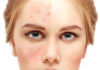



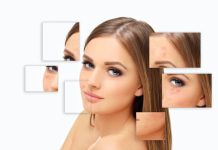

















Acne is a skin problem that millions of individuals experience globally and is characterized by pimples, blackheads, whiteheads, and other blemishes.
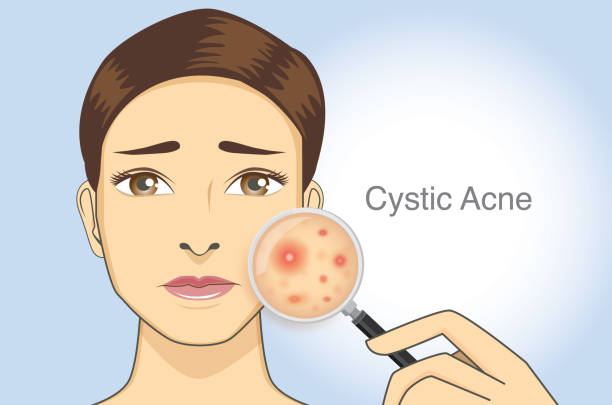
Cystic acne is a more severe type of acne characterized by the presence of large, deep, and painful pimples. However, if you have cystic acne, you might be curious about the best way to treat it.
The young generation is mainly affected by acne. Because of up and down in hormone levels in the body, teenagers are more prone to developing acne. Cystic acne can be very embarrassing and can cause low self-esteem.
Let’s explore this condition and the best treatments for cystic acne.
How Do We Differentiate Between Cystic Acne and Common Acne?
Cystic acne is more severe, often distinguished by huge, deep, and painful pimples. These imperfections most commonly occur on the face, back, and chest.
Cystic acne on the face is often caused by excessive sebum and pore bacteria. The sebum and bacteria mix to form a plug that blocks the pore. This plug can cause the formation of a cyst.

Common acne is less severe than cystic acne. One can identify it by the presence of small, pus-filled pimples. These pimples are often present on the face, neck, chest, and back.
The causes of Common acne and cystic acne are the same. However, it is less severe because the pores are not as blocked.
What are the Best Cystic Acne Treatments?

Treatments for cystic acne vary depending on the severity of the condition. Salicylic acid and benzoyl peroxide, two over-the-counter medications, may be efficient if you have mild cystic acne. Your doctor may prescribe antibiotics or oral contraceptives if you have more severe cystic acne. Surgery may be needed in some cases to remove the cysts.
Let’s categorized the best spot treatments for cystic acne
Cystic Acne On Chin Treatment
Chin acne is a common form of acne that affects men and women. Furthermore, Chin acne can be caused by the same factors that cause other forms of acne, such as bacteria, sebum, and dead skin cells.

The best treatment for chin acne depends on the severity of the condition. Here are some of the most famous chin acne remedies.
Over-the-counter Topical Treatments
Topical treatments that contain benzoyl peroxide or salicylic acid are often effective in treating mild cases of chin acne. These OTC are readily available in most drug stores.

Prescription Medications
Your doctor may prescribe antibiotics or oral contraceptives if you have more severe chin acne. These medications can help to clear up acne and prevent future breakouts.

Surgery
Surgery can be considered in some circumstances to remove the cysts. This procedure is known as a cystectomy.
Cystic Acne On Face Treatment

Every person is concerned with Cystic Acne on the face, which often leaves scars. The pimples at this stage get inflamed, big, pus-filled, and very sensitive to touch. They mostly appear on the face, chest, neck, and back.
The best treatments for cystic acne on the face depend on the severity of the condition. Here are a few of the most widely used treatments.
Benzoyl Peroxide
Benzoyl peroxide is a powerful bactericide that kills the Propionibacterium acnes bacteria that causes acne. Moreover, It also has comedolytic and anti-inflammatory properties, making it an effective acne treatment. These are available in gels, creams, lotions, and washes.
Salicylic Acid
Salicylic acid is a beta hydroxy acid that helps dissolve the connection between dead skin cells and oil. Because it aids in clearing blocked pores, it is a successful acne therapy. In the market, specific ointments, cleansers, and serums with salicylic acid are available.

Azelaic Acid
Azelaic acid exists naturally in whole-grain cereals and meat products. In addition, It has antibacterial, anti-inflammatory, and comedolytic properties, making it an effective acne treatment.
Retinoids
A class of drugs known as retinoids is derived from vitamin A. They effectively treat acne as they help unblock pores, reduce inflammation and calm the skin. Moreover, many brand retinoids, such as Retin-A, Differin, and Tazorac, are available in the market.

Cystic Acne On Cheeks Treatment
Various factors can contribute to the development of cystic acne, such as hormones, stress, genetics, and diet. Treatment for cystic acne on cheeks often depends on the severity of the condition.

Some quick cystic acne treatments include:
Isotretinoin
Isotretinoin is a powerful medication taken orally. It effectively treats cystic acne as it helps unblock pores, reduce inflammation and calm the skin. It is necessary to keep in mind that isotretinoin can have serious side effects, so it must only be used under a qualified physician’s supervision.
Steroid Injections
Steroid injections are a quick and effective treatment for cystic acne. They assist in lessening inflammation and promote healing. However, they should use sparingly as they can have side effects, such as skin thinning and lightening.

Oral Antibiotics
For the treatment of cystic acne, oral antibiotics will play a tremendous role. They help to kill the bacteria that cause acne and reduce inflammation. However, they can have side effects, such as gastrointestinal upset and yeast infections.
The Best Treatment for Hormonal Cystic Acne
Hormonal cystic acne is a kind of acne induced by hormonal fluctuations. It often affects women during puberty, pregnancy, and menopause. Hormonal cystic acne is challenging to treat and usually requires a combination of medications.
Some hormonal acne treatments for adults include:
Birth Control Pills
The best hormonal therapy for hormonal cystic acne is birth control pills. They help to regulate hormone levels and reduce inflammation. However, they can have side effects, such as weight gain and irregular bleeding.
Spironolactone
The most common application for spironolactone is the management of hypertension, but it is also effective in treating hormonal acne as it helps regulate hormone levels. It could also cause unwanted side effects, including fatigue and lightheadedness.
Hormone Therapy
Hormone therapy is a treatment used to regulate hormone levels. It has the potential to be helpful in the treatment of hormonal cystic acne. However, it can have side effects, such as weight gain and mood swings.
Best practices for Cystic Acne Prevention

Treatment for hormonal cystic acne and various best practices can help prevent the development of cystic acne. Some of these include:
- Use a gentle cleanser to rinse your face twice daily.
- 1-2 times per week, use a light exfoliant.
- Using oil-free sunscreen when outdoors
- Drinking plenty of water and limiting caffeine and alcohol intake
- Eat a healthy diet and keep away from processed foods.
Final Note
In conclusion, there are many effective treatments for cystic acne. However, the appropriate course of action for each individual will differ depending on the severity of the problem and its underlying cause. It is best to talk to a qualified physician to find the best treatment for you.
Related Tags
Skin Care Routine For Adult Acne
FAQs
Can we treat hormonal acne with home remedies?
There is no widely valid answer to this question. However, while some people find home remedies successful in treating hormonal acne, others do not. You must speak with a qualified doctor to know the best treatment option.
Does poor hygiene cause cystic pimples?
No, cystic pimples are not the result of inadequate hygiene. They are a type of acne that occurs through hormonal changes. Poor hygiene practices, on the other hand, can aggravate them.
Can cystic acne lead to scarring?
Yes, cystic acne can lead to scarring. It is a form of acne distinguished by deep, inflammatory outbreaks. But if not treated properly, it can damage the skin and cause scarring.