



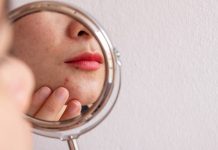





















What Is Melasma
Melasma is a common skin condition that causes dark, discolored patches on the skin. These patches often appear on the face, specifically the cheeks, nose, chin, and forehead. While it is not painful or dangerous, many people seek treatment for cosmetic reasons.
The condition occurs when pigment-producing cells in the skin create too much color. This results in brown or gray-brown patches that can vary in size and shape. It is most frequently diagnosed in individuals with darker skin tones, though it can affect anyone.
Understanding this condition is the first step toward effective management. If you notice new dark spots, it is helpful to consult a dermatologist for an accurate evaluation. They can distinguish it from other skin issues that might require different care.
Common Causes of Melasma
The exact cause of melasma is not always clear, but experts believe it involves a combination of factors. Hormonal changes are a primary driver for many individuals. This is why it is often called the mask of pregnancy, as it frequently develops during that time.
Genetics also play a significant role in who develops these dark patches. If you have family members who have experienced it, you may be more likely to develop it yourself. Your skin type and how it reacts to external stimuli are inherited traits that influence your risk.
Internal hormonal shifts can trigger the pigment cells to become overactive. Beyond pregnancy, this can happen due to birth control pills or hormone replacement therapy. These shifts change how your body processes melanin, the substance that gives skin its natural color.
According to the American Academy of Dermatology, sunlight is the most significant factor that makes the condition worse. Even small amounts of sun exposure can cause the patches to darken or return after they have faded.

Key Triggers to Avoid
Managing melasma requires identifying and limiting your specific triggers. Sun exposure is the number one trigger for almost everyone. Ultraviolet (UV) light stimulates the melanocytes, which are the cells that produce pigment in your skin.
Heat is another often overlooked trigger for many people. Exposure to high temperatures, such as those from saunas, hot yoga, or even standing near a hot stove, can worsen the condition. Protecting your skin from both light and heat is essential for long-term management.
Skincare products that irritate the skin can also cause flare-ups. If a product causes redness or stinging, it might be inflaming your skin and increasing pigment production. Always choose gentle, fragrance-free products to keep your skin barrier healthy and calm.
Managing melasma with daily protection
The most important step you can take is wearing broad-spectrum sunscreen every single day. Look for a physical blocker containing zinc oxide or titanium dioxide. These ingredients provide a barrier that reflects both UV rays and visible light, which is crucial for protecting your skin.
Professional Treatment Options
When lifestyle changes are not enough, a dermatologist can offer various treatment options. These professional interventions aim to lighten the patches and even out your skin tone. It is important to remember that results take time and patience.
Topical creams are often the first line of defense. Doctors may prescribe creams containing hydroquinone, which works by slowly lightening the skin. Other ingredients like retinoids, azelaic acid, or kojic acid may also be used to help speed up cell turnover.
Chemical peels are another common option for treating persistent discoloration. A professional uses a chemical solution to remove the top layer of skin, revealing fresher skin underneath. This process helps reduce the appearance of dark patches over several sessions.
Some individuals may benefit from laser therapy or light-based treatments. However, these must be performed by an experienced professional to avoid further skin irritation. If the wrong setting is used, heat from lasers can sometimes make the dark patches look even worse.

When to See a Doctor
You should consult a healthcare provider if you notice new or changing spots on your skin. While melasma is generally harmless, it can look like other skin conditions, including some types of skin cancer. A professional diagnosis ensures you are treating the right issue.
If your skin patches are causing you distress or affecting your self-esteem, reach out for support. A dermatologist can provide a personalized plan that fits your skin type and lifestyle. They can also track your progress and adjust treatments as needed over time.
Be aware of any sudden changes in the shape, size, or color of your skin patches. Any crusting, bleeding, or unusual texture changes should be evaluated immediately. Staying proactive with your skin health helps you maintain a clear and healthy complexion.
Conclusion
Living with melasma requires consistency and patience, but it is a manageable condition. By protecting your skin from sun and heat, you can prevent existing patches from darkening and reduce the risk of new ones forming. Remember that effective treatment often involves a combination of sun protection and professional skincare guidance.
Focus on gentle, consistent daily habits to support your skin barrier. While the process of lightening skin patches can be slow, many people see significant improvement with the right approach. Always work closely with a dermatologist to find the best strategy for your unique needs and skin health journey.
This article is for educational purposes only. It is not a substitute for professional medical advice, diagnosis, or treatment. Always consult a qualified healthcare provider regarding your health.
Frequently Asked Questions
Can melasma go away on its own?
In some cases, the condition may fade on its own, especially if it was triggered by pregnancy or oral contraceptives. Once the hormonal trigger is removed or levels stabilize, the patches may gradually lighten. However, for many people, the condition is long-lasting and requires ongoing sun protection and skincare to keep it from returning or darkening further.
Does diet affect skin pigmentation?
While there is no specific diet that cures this condition, maintaining a healthy, balanced lifestyle is beneficial. Eating antioxidant-rich foods like berries, leafy greens, and nuts can support overall skin health. Proper hydration and avoiding inflammatory foods may also help keep your skin looking its best, though sun protection remains the most critical factor for managing pigment changes.
Is it safe to use makeup to cover the patches?
Yes, using makeup is a safe and effective way to hide dark patches while you undergo treatment. Look for non-comedogenic products, which means they will not clog your pores. Using a color-correcting primer or a high-coverage concealer can help even out your skin tone. Always ensure you wash your makeup off gently at the end of every day.