


















According to recent studies, stress and acne in adults have a close association, which means that having acne may become more likely while you’re under pressure or stress. But questions have arisen here how does stress cause acne, and is there any way to get rid of stress-induced acne? So, this blog will try to understand the correlation between acne and stress and its prevention and treatments.
How Does Stress Cause Acne In Adults?
Stress does not directly induce acne, but when you are anxious or stressed, it can trigger the stress hormone “cortisol” overproduction, which stimulates the overproduction of sebum (oil) from the sebaceous gland. The excess oil production that plugs pores, in turn, can trigger acne flares.

Besides these, researchers have also shown when an individual is stressed out, the healing process becomes slow, and because of this, pimples stay longer on your face and are more likely to get worse.
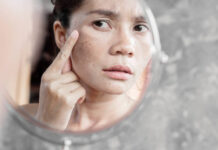
Also, stress, depression, or anxiety cause people to be more inclined to their blemishes and may cause them to pick at their acne, which keeps acne away from proper healing and gives you permanent scars. This condition is called acne exocrine.
Where Does Stress-Induced Acne Appear?

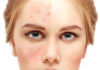
Unlike other acne, stress acne mainly develops in the oiliest part of the face. It is noticeable on the face’s T-zone area like the forehead, nose, and chin. It can look like blackheads (open comedones), whiteheads (closed comedones), pimples, cysts, and red bumps. When you are under stress, several new spots will appear at once (a telltale sign), whereas hormonal and other acne will only appear one at a time.
Can Stress Cause Back Acne?
Yes, stress does not only cause acne on the face and other parts of the body, for example, the neck, shoulders, chest, and back. A high amount of cortisol increases sebum production, which can cause back acne (bacne). Stress, combined with other habits such as wearing tight jeans and dresses, wearing sweaty clothing after exercising, or using irritating skincare products, can undoubtedly lead to unwanted back acne.

How To Control Stress Acne?
We can conclude from the aforementioned points that stress and acne are strongly correlated. However, you can counter your stress-induced acne by following these simple strategies below:
- Manage your stress.
- Gentle cleansers and skincare products
- Topical treatment
- Oral medications
How Can We Manage Stress?
The first thing you should consider to get rid of acne is managing your stress. Because stress does not only cause acne but also makes it worse with time and can turn acute acne into chronic, stubborn acne. So, Eliminating stress is necessary. These points can help you think about how you can cope with your stress:

- Mediation – does not only calm down your mind and body but can also lower the risk of developing sadness and anxiety. Do yoga and different breathing techniques, and make sure to do it daily for anxiety and stress control.
- Diet – if you have the stress of any kind, you do not have a healthy enough diet and miss many essential vitamins and nutrients that can cause acne. So, always have a diet rich in nutrients like vegetables, fruits, meat, seafood, etc., to cope with stress-induced-acne.
- Sleep – You probably have trouble sleeping when you’re anxious, right? Do you know that sleep deprivation can cause acne? The reason is that lack of sleep can raise cortisol levels, which in turn causes increased sebum (oil) production, resulting in clogged pores and finally leading to acne. Thus, one way to combat stress-induced acne is to sleep.
- Exercise – to bring your stress level down, Exercise is one of the best ways. It reduces anxiety and depression, clears your mind, keeps your body active, and makes you fit.
- Talking with friends or family – to talk about your problem or concern with your loved ones relieves stress. So, problem discussion can help you cope with depression and anxiety.
Use Gentle Cleaners And Skin Care Products
To clear blemishes and prevent breakouts, use gentle cleaners formulated with salicylic acid, hyaluronic acid, and benzoyl peroxide to remove extra oil, dirt, and dead skin cells, hydrate your skin, keep pores clean, and increase cell turnover. Sunscreen is also essential because using exfoliating skin products removes the uppermost layer of the skin and makes it sensitive to sunlight.

Topical Treatments
Numerous topical acne treatments are available as over-the-counter or prescribed medications that contain active substances that can heal acne lesions. Topical treatments that contain salicylic acid, retinoids, and benzoyl peroxide are vital because they help to remove oil and dirt, clean pores, kill bacteria, reduce redness or swelling, and keep your skin free from new pimples. Frequently used topical gels are:
- Differin, a retinoid-like topical medicine derived from vitamin A,
- Dapsone gel (Aczone)
- Benzaclin (benzoyl peroxide).
Oral Medications

If bacteria cause acne, oral antibiotics are used to treat it. Acne treatment options include oral pills and topical creams, depending on the severity of the condition. Oral contraceptives (birth control pills) and anti-androgens (Spironolactone) are also used to handle acne by balancing the body’s hormones. A dermatologist may also prescribe oral isotretinoin if you have a severe form of acne. It clears clogged pores, stops excess oil production, and kills bacteria. However, its effects take months to manifest, so you’ll have to wait about two months to see better results.
Summary

This article discussed how stress could trigger acne and make it worse with time. We know that stress and acne in adults have a strong correlation. However, it can be handled in many ways, like stress management, daily skincare routine, topical spot treatments, and oral medications.
FAQs:
Q: Can stress cause acne?
A: Yes, when you are anxious or stressed, you are more likely to have acne.
Q: Can cortisol cause acne?
A: When you are stressed, the cortisol level in your body increases which in turn causes overproduction of sebum (oil) and eventually leads to acne.
Q: Can stress-induced acne be cured?
A: Yes, stress management, topical and oral medications, daily skincare routine, and many other ways are present to get rid of stress-induced acne.