
























Introduction
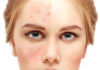
Acne is a skin concern that can strike at any age and affects many people, but it is more common among teenagers and women. It affects one’s self-esteem as well as looks.
Whenever there is a hormonal imbalance, acne appears and then people go for the best supplements for adult acne. Oil glands that produce more oil (sebum) block skin pores, promoting the growth of bacteria and pimples.
There are various types of acne, and there is no single treatment for all kinds. The best acne supplement depends on your acne, skin type, and what you are looking for in a supplement.
With this article’s assistance, you can select the ideal acne supplement for your adult acne.
Do Supplements Improve Skin Quality?
The human body’s largest organ, the skin, acts as a barrier for protection, controls body temperature, and allows the removal of sweat and oil. Certain factors such as hormonal imbalance, stress, genetic predispositions, cosmetics, certain medications (like birth control pills), and smoking will affect our skin’s health and appearance.

Supplements and vitamins are a great way to improve your skin quality by rebalancing hormonal levels, fighting acne, and making your skin healthier and younger. They also work by increasing your body’s ability to produce collagen, which is vital for healthy skin.
However, there are some concerns about the effects of these supplements. Some people believe they can cause an imbalance in the body’s natural functions. In contrast, others think they can be harmful if taken in higher doses.
1-Zinc

Zinc, a micronutrient with anti-acne properties, helps treat acne-prone skin. Both topical and oral options are available for using it. According to recent research, zinc helps reduce skin oil production (sebum) and protects against bacterial infection and inflammation. Additionally, it lessens the formation of dihydrotestosterone (DHT), which can clog pores and cause inflammation.
Zinc is essential for collagen synthesis and also helpful in treating acne scars and blemishes because zinc aids in wound repair.
Only small amounts of zinc, about 8 to 11 milligrams, are required by the body to meet daily requirements. Excessive zinc intake can be detrimental and lead to copper deficiency.
2-Selenium

Selenium is an antioxidant that enhances the effectiveness of other antioxidants like vitamin E in combating free radicals. With increased antioxidant levels, selenium has been shown to reduce inflammation that can contribute to acne. Additionally, selenium controls glutathione peroxidase enzyme activity. It increases the body’s antioxidant levels, which decreases acne flare-ups and enhances general health.
Vitamin E and selenium supplements raise glutathione levels and may lessen the appearance of acne and inflammation in six weeks.
3-Vitamin A

Vitamin A, one of the most well-known topical acne remedies, belongs to the retinoid class of chemicals frequently included in over-the-counter acne treatments. It is a strong antioxidant that soothes inflammation and redness associated with acne breakouts.
This Vitamin controls the body’s ability to shed dead skin cells and helps to maintain pores free of sebum, germs, and dirt while lowering the probability of blemishes.
4-Fish Oil or Omega-3 Fatty Acids

Omega-3 fatty acids, especially DHA and EPA, possess anti-inflammatory properties; therefore, it is hypothesized that they may indirectly combat acne by addressing inflammation.
Supplementing with fish oil is linked favorably to a reduction in acne severity, especially in people with moderate to severe acne. Omega 3 also improves skin and nail strengthening, manages stress, and balances hormone levels.
5- Vitamin D

Getting enough Vitamin D may help you deal with acne by reducing inflammatory effects. The inadequacy of vitamin D can worsen the signs and symptoms of acne and lead to many skin-related diseases such as dermatitis, eczema, psoriasis, etc. Another option after vitamin A for treating recurring pustules and red and inflamed papules is to take vitamin D supplements.
6-Magnesium

Magnesium is very good at neutralizing your skin’s pH and breaking down and absorbing oil and germs in the pores. The anti-inflammatory effects of magnesium also aid in reducing redness around any newly developed pimples. It reduces cortisol production, which aids in treating acne by restoring hormonal equilibrium in the body.
7- Extracts of Green Tea

Studies indicate that green tea extracts, which are high in antioxidants, have potent anti-inflammatory properties that may help people with acne. It also possesses anti-bacterial properties, which fight against acne-causing bacteria. In addition to having antioxidant, anti-inflammatory, and anti-bacterial properties, extracts in green tea are also excellent at lowering lipid levels and acting as an anti-adrenergic, hence reducing sebum and oil discharges in the skin.
8-Vitamin K

Whether you have acne or not, vitamin K is a great vitamin that should be included in everyone’s diet. For healthy skin and acne prevention, vitamins K1 and K2 are crucial. Vitamin K aids protein synthesis that preserves healthy skin cells. It also lessens the chances of acne outbreaks and scarring.
9-Methylsulfonylmethane (MSM)
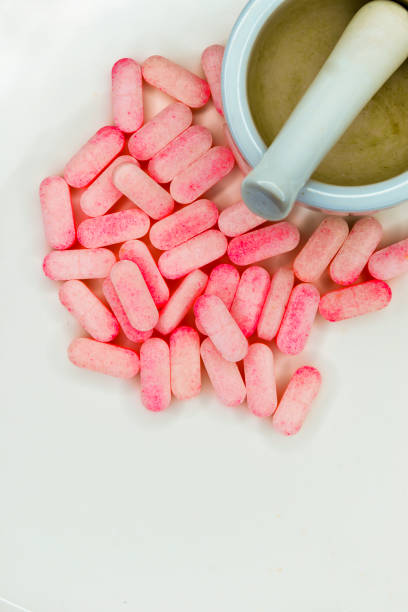
Methylsulfonylmethane (MSM) is a substance that occurs naturally in human skin, hair, tissues, and joints. It reduces irritation, softens the skin, enhances pore permeability, and aids in maintaining clear pores. Additionally, MSM helps in controlling keratin synthesis and inhibits hyperactive sebaceous follicles.
10- Vitamin B Complex

B-vitamins are essential for skin renewal and regeneration because they supply the energy required for cell function. Vitamin B complex aids in activating enzymes and contribute to the generation and regulation of hormones. It also lessens the inflammation and dryness associated with acne-prone skin.
Bottom Line

In conclusion, many supplements can help with acne, but not all are equally effective for all people. Finding a supplement that best suits your requirements and way of life is necessary. Increasing vitamin A, D, B, zinc, selenium, green tea, and magnesium intake can aid in the fight against acne and lead to healthy, clearer, and acne-free skin. Consult a dermatologist or pharmacist for more advice on vitamins and supplements for adult acne treatment.
FAQs
Q: Which supplements are best for treating adult acne?
A: Increasing intake of vitamin A, B complex, D, E, zinc, magnesium, green tea extracts, and selenium can help fight acne and lead to acne-free, clearer skin.
Q: Is zinc good for acne, and how much should I take daily?
A: Yes, zinc is very beneficial in combating acne. Increase zinc intake in the diet to deal with severe acne. The recommended daily zinc intake is 8-11 milligrams (mg).
Q: Does vitamin B worsen acne?
A: High doses of vitamin B6 and B12 supplements can exacerbate preexisting acne.