

















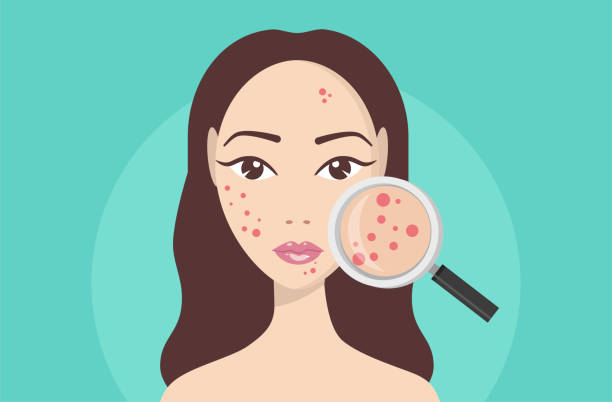
When you hear the word “hormonal acne,” the first thing that comes to mind is stubborn red and painful pimples, isn’t it? Therefore, we’ll attempt to understand hormonal acne in this blog and talk about adult hormonal acne treatment.
What is Hormonal Acne?
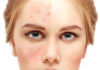
The prevalent skin condition worldwide that primarily affects women is hormonal acne. It occurs when there is a fluctuation in your hormone levels like estrogen, progesterone, and testosterone. These fluctuations can be seen in puberty, menstruation, and menopause because, at this time, the level of hormones is increased, which causes an increased production of sebum (oil) from sebaceous glands. When sebum (oil) builds up on the skin, it prevents the skin from drying out, clogs pores with dead skin cells, and causes acne.
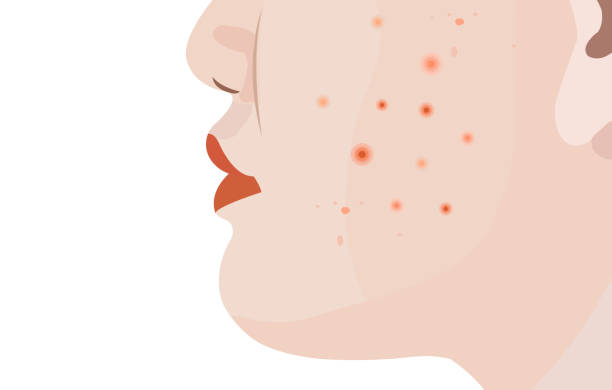
Although it can affect either gender, women are often more vulnerable. According to much research, about 50% of women between 20 to 29 years and 25% of women between 35 to 49 years face it. Furthermore, acne occurs not only in teens or at puberty; adults are also affected by it as it can appear at any age. hormonal acne treatments for adults
If we talk about hormonal acne treatments for adults, more women than men are impacted because of complex hormonal makeup that varies based on age, diet, and reproductive cycle, for example, menstruation, pregnancy, and menopause.
Symptoms of Hormonal Acne
Stubborn hormonal acne symptoms for adults appear on,
- The lower part of the face, like the nose, jawline, chin, and perioral region in the T-zone (most common)
- Entire face
- Neck
- Back
- Shoulders
- Chest
It looks like the following lesions:
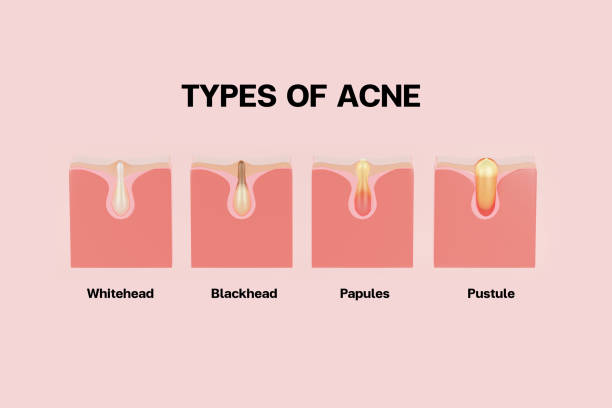
- Blackheads (open comedones)
- Whiteheads (closed comedones)
- Cysts
- Pustules (contains pus)
- Nodules
- Papules (elevated skin tissue)
What Factors Can Cause Hormonal Acne?
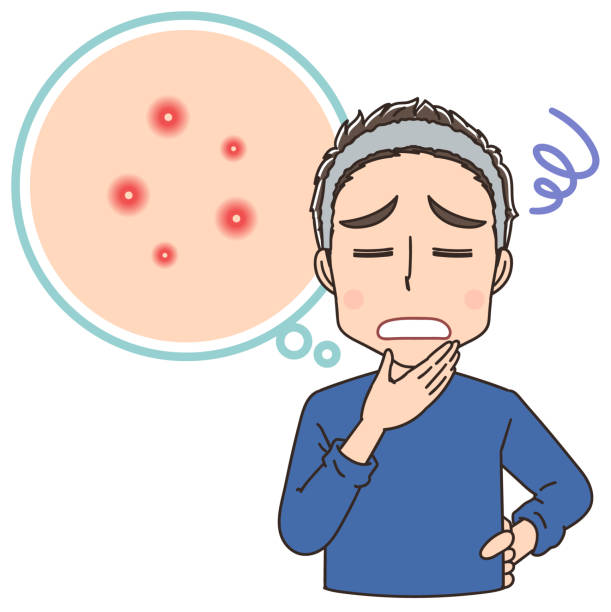
There are numerous potential causes of hormonal acne. All are highlighted below.
- Overproduction of Androgens (testosterone)
Sebum production from the sebaceous gland is stimulated by androgen.
- Underproduction of Estrogens
Contrary to androgens, estrogens tend to tamp down the synthesis of sebum from the sebaceous gland.
- Menstruation and menopause
- Family history
- Depression
- Poor diet (refined carbs & sugars)
- Improper sleep
- Other ovarian-related medical problems include polycystic ovary syndrome (PCOs).
What Are Hormonal Acne Treatments for Adults?
There are several therapy options available for the treatment of hormonal acne. Some of the best of these are discussed here.
1- Retinoids (Topical Treatment)
Topical retinoids are the initial treatment of choice for hormonal acne. It is a vitamin A derivative that works to treat it. Retinoids exfoliate the skin to remove debris, oil, and dead skin cells from the pores. Additionally, it aids in reducing sebum production and decreasing inflammation. Different retinoids that a dermatologist prescribes are:
- Adapalene (Differin)
- Tretinoin
- Tazarotene
Remember! Using retinoids can make your skin sensitive to the sun’s UV light, so do not forget to apply sunscreen daily when you go outdoors to avoid sunburn.
2-Oral contraceptives
Hormonal acne is also treated with oral contraceptives. Estrogen in birth control pills lowers the body’s testosterone levels. As a result, sebum (oil) production from the sebaceous gland is decreased. When topical creams (retinoids) and other treatment options do not respond very well to hormonal acne, the dermatologist may prescribe oral contraceptives to cope with it. Do not use birth control pills as self-medication because it can be harmful. Always follow your doctor’s recommendations because they have considered your age, medical history, menstrual cycle regularity, and other factors to determine which kind of contraception is best for you.
Most prescribed oral contraceptives are:
- Yaz (drospirenone/ethinyl estradiol)
- Estrostep (ethinyl estradiol/norethindrone acetate)
- Ortho Tri-Cyclen (ethinyl estradiol/norgestimate)
Consequences of oral contraceptives could include nausea, weight gain, mood swings, and light periods.
3- Anti-Androgen drugs
Equally effective for treating hormonal acne are anti-androgens drugs. They function by lowering androgen levels by inhibiting androgen receptors, which is one of the causes of hormonal acne. The most commonly used anti-androgen is Spironolactone. It is used to control blood pressure, but it also lowers the level of androgen to stop excess sebum production (oil). The recommended dose is between 50-200mg. It works slowly so that you can see a change after 2 or 3 months.
4-Natural Remedies
For the management of hormonal acne, the following are some natural remedies:
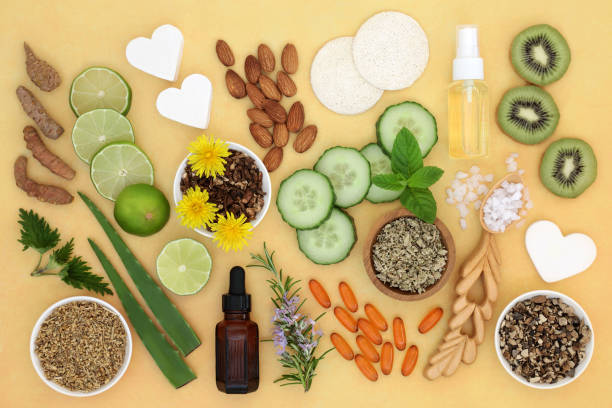
- Tea tree oil with antibacterial and anti-inflammatory properties can kill P. acnes bacteria and reduce swelling and irritation
- Aloe Vera is a good skin moisturizer that reduces inflammation and fights acne
- Diet (Reducing your intake of dairy, artificial sweeteners, alcohol, red meat, and highly processed carbohydrates (white bread, pasta, and sweets) will help to decrease inflammation and reduce breakouts).
- Coconut oil (for acne redness and inflammation).
- Fish oil supplements (they contain omega-3 fatty acids that decrease inflammation).
5-Medical Procedures
Another treatment option is medical procedures, often used to remove the outer skin layer with acne, debris, oil, and other pollutants. Options are:
- Phototherapy
- Laser therapy
- Chemical peels
- Steroids injection
- Microdermabrasion
Closing point
Hormonal acne is a global problem that occurs with fluctuation in your hormonal level. It has a strong genetic predisposition. It mainly affects women because of the complex hormonal makeup. This article also discussed hormonal acne treatments for adults, for example, topical cream (retinoids), oral contraceptives, natural remedies, etc.
FAQ
Q: How is hormonal acne caused?
A: Fluctuating hormone levels, such as those of androgens (testosterone), estrogen, etc., could be the culprit. Besides that, it also has a strong genetic predisposition.
Q: What triggers hormonal acne?
A: Hormonal acne can be caused by excessive androgen levels, low estrogen levels, stress, menstruation, menopause, smoking, drinking, PCOS, lack of sleep, and poor nutrition.
Q: Are hormonal acne treatments available?
A: Yes, there are many treatment options available, like topical creams, oral contraceptives, anti-androgens, natural remedies, etc.