























Acne is a skin problem that may start mainly at puberty and can be lifelong. Teenagers, adults, and of any gender (especially women) can have this issue. Several ways are available to deal with it, for example, topical medications, antibiotics, diet changes, supplements, and vitamins. Let’s discuss the following best vitamins for adult acne in this blog.
What Is Acne?
When the hair follicles beneath the epidermis become blocked, acne develops. It is an inflammatory skin condition that results in pimples or zits. A gland called the sebaceous gland produces sebum (oil) that serves to maintain the skin’s moisture and stop it from drying out. Sebum (oil) uses hair follicles to reach the skin’s surface. However, when these hair follicles become clogged by skin cells, sebum cannot reach the surface, and skin bacteria start to grow, which causes inflammation and ultimately leads to acne.
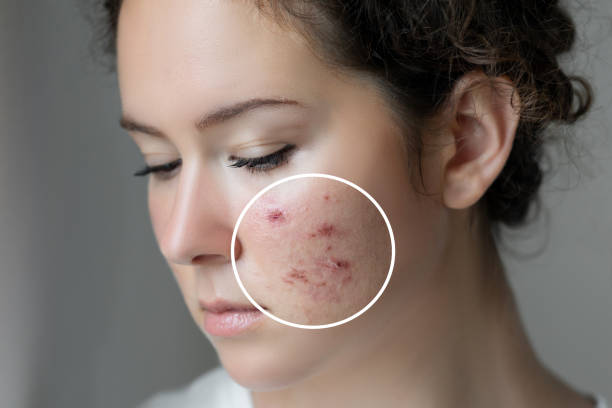
This condition is very typical worldwide. Every third person is suffering from this. It can affect both genders, but females are more prone to it than males because of their complex hormonal systems. Not only adolescents and teenagers but adults are also victims of it.
It can appear in several forms, like blackheads, whiteheads, papules, pustules, nodules, and cysts. And the main targeted areas are the face, neck, shoulders, back, and chest.
Fortunately, there are numerous strategies to control acne, for example, topical creams (Benzoyl peroxide), antibiotics (Tetracycline, Doxycycline, etc.), natural remedies (tea tree oil, coconut oil, aloe vera, etc.), diet changes, supplements, and vitamins.
What Vitamins Are Good For Adult Acne?
Have you tried many skincare options to get rid of acne? But remember, acne is an internal problem that arises within the body, and, for this reason, vitamins can be a powerful option in addressing the internal concerns of the body. Let’s discuss vitamins for adult acne with their functions.
1-Vitamin A
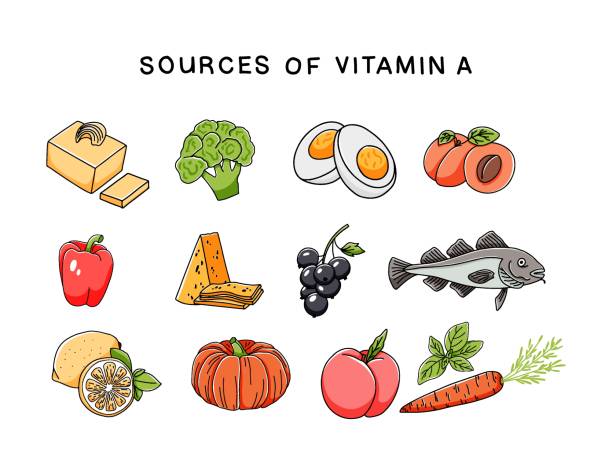
One of the best choices to deal with acne is Vitamin A. Derivatives of vitamin A (retinoids, retinol) are frequently used as over-the-counter treatments for acne. Vitamin A is a good antioxidant that fights against free radicals and helps reduce inflammation. It removes dead skin cells and frees the pores from sebum (oil), dirt, and bacteria. Additionally, vitamin A increases the production of collagen, which reduces scarring and encourages skin cell regeneration. It is recommended as a topical treatment over an oral supplement.
2-Vitamin D
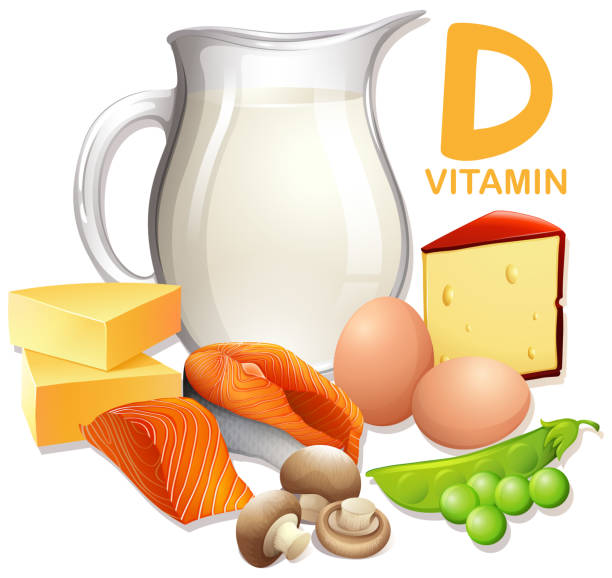
Recent studies show vitamin D deficiency can lead to many skin-related conditions like psoriasis, dermatitis, acne, etc. Vitamin D has potent anti-inflammatory and anti-microbial properties that minimize the process of inflammation and fight against bacteria to calm your symptoms. If you have vitamin D deficiency, sit in the sunshine, take dietary supplements, and eat foods rich in vitamin D, for example, dairy products (milk, cheese, etc.).
3-Vitamin B complex
The following vitamin for adult acne is the vitamin D complex. The vitamin B complex comprises eight nutrient groups: B1, B2, B3, B5, B6, B7, B9, and B12. Each of these vitamins uniquely affects acne. Let’s go through them one by one.
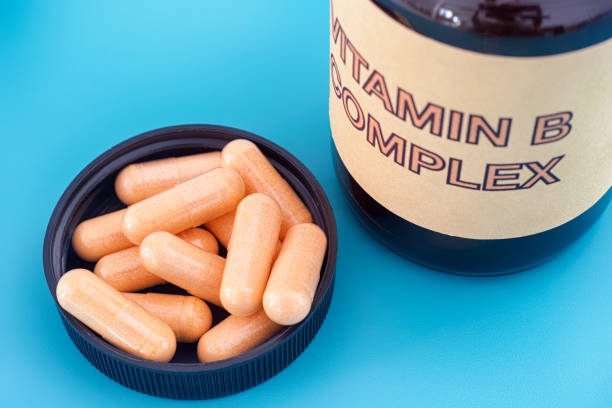
- Vitamin B1
aka thiamine, is a potent antioxidant that supports the skin’s protection from UV damage, stress, and early aging. Vitamin B1 also aids with stress management. It is achieved by strengthening the immune system and calming the nervous system, which helps to avoid stress-related acne. It assists in regenerating skin cells, ensuring that you have healthy skin that heals rapidly.
- Vitamin B2
Aka riboflavin, it ensures to secrete enough mucus to keep your skin moisturized and protect it from skin dryness and excessive sebum (oil) production. Collagen maintenance and cell turnover are also functions of vitamin B2. It preserves the integrity of the skin, reduces inflammation, and hastens the healing of wounds.
- Vitamin B3
Also known as niacinamide is an anti-inflammatory that reduces the swelling and redness of acne. It improves skin elasticity and tone and lightens the red and brown scars that acne can leave on the skin.
- Vitamin B5
Aka pantothenic acid accelerates skin oil breakdown, which lowers overall sebum production. Natural sources of vitamin B5 include mushrooms, corn, broccoli, chicken liver, salmon, and avocado.
- Vitamin B6
Also known as pyridoxine, this vitamin supports healthy skin by lessening sensitivity to testosterone’s effects. Additionally, it improves skin hydration, cell regeneration, and inflammation reduction.
- Vitamin B12
It aids in reducing inflammation and acne scarring. However, too much B12 disrupts acne-causing bacteria and triggers breakouts.
4-Vitamin E
Vitamin E, with its antioxidant and anti-inflammatory properties, help you fight acne by inhibiting free radicals, skin aging, and inflammation. Vitamin E encourages collagen formation and keeps the skin moist. It also repairs scars and dark skin areas, particularly those left after breakouts.
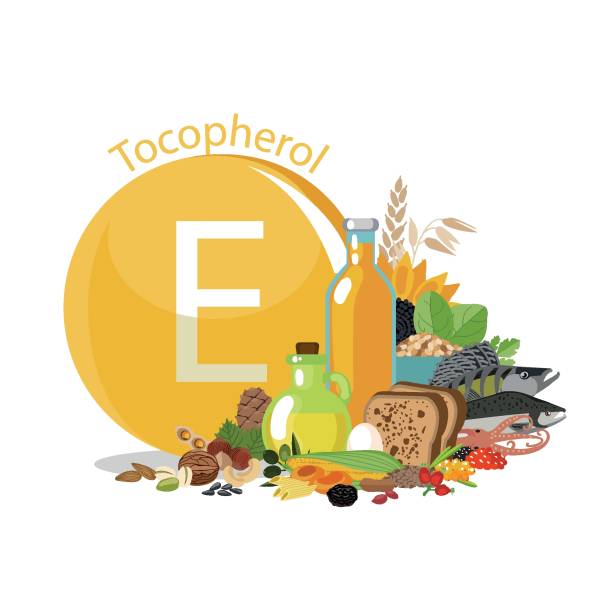
Dietary sources of vitamin E are mango, almonds, pumpkin, sunflower and soyabean oil, asparagus, avocado, and red bell pepper.
5-Vitamin C
Last but not least, the most effective and powerful vitamin for adult acne is vitamin C. Its antioxidant properties help fight acne and work on dark spots, skin aging, dull skin tone, and other skin-related concerns, giving you pure and glowing skin. Furthermore, it has anti-inflammatory properties, reducing swelling and redness and healing acne wounds. Add vitamin C-infused skincare products to your daily routine to treat many skin issues. Dermatologists frequently suggest vitamin C supplements for those with acne-prone skin.

Dietary sources of vitamin C include orange, lemon, strawberries, guavas, blackcurrants, kale, gooseberries, and capsicum.
Closing Point
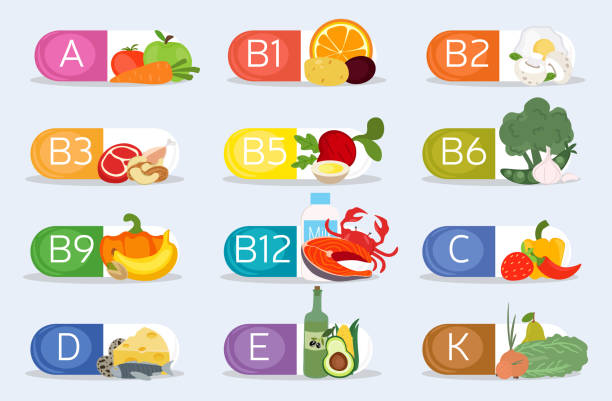
Vitamins are necessary for your skin to maintain skin integrity. It can balance hormones, reduce inflammation, and support the body’s ability to fight illness and bacteria by improving the immune system. The vitamins for adult acne discussed above have demonstrated that vitamins are an essential part of the acne treatment regimen. You cannot rely on one treatment option. To deal with acne, you should consider all treatment options like antibiotics, topical medications, diet changes, supplements, and vitamins.
Related Article:
How to remove acne scars fast?
FAQs
Q: Which vitamins help to deal with acne?
A: Vitamins A, D, B-complex, E, and C are the most commonly used vitamins for acne treatment.
Q: Does vitamin B12 cause acne?
A: Using vitamin B12 sparingly can help reduce inflammation and acne scarring. However, too much B12 may trigger breakouts.
Q: How can I eliminate my acne?
A: Antibiotics, topical medication, supplements, vitamin intake, and diet changes can assist you in countering acne.