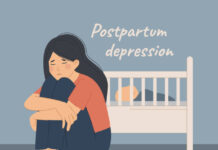






















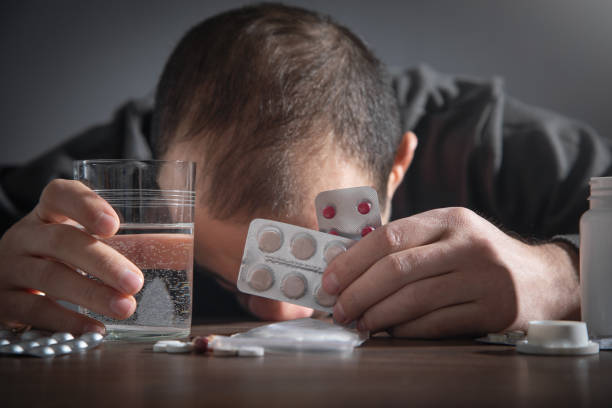
It is not uncommon to feel overwhelmed and stressed in today’s world. Between work, family, and social obligations, it can be challenging to find time to relax. For some people, this stress can lead to anxiety and depression. If you are struggling with anxiety or depression, you may consider medication as a way to cope.

The statistics surrounding anxiety and depression are staggering. The National Institute of Mental Health research says that 18.1% of adults in the United States suffer from an anxiety disorder, while 6.7% suffer from a major depressive disorder. It means that millions of people are struggling with these conditions daily.
Although medication can be an effective therapy for depression and anxiety, it is not the only choice. There are some ways to cope with anxiety and depression without medication. Here are some suggestions for overcoming anxiety and depression without medications.
Identify Your Triggers
The most important thing to do if you suffer from anxiety or depression is to figure out what makes your symptoms come on. It can be different for everyone, but some common triggers include stressful life events, certain foods, and lack of sleep. Identifying your triggers will enable you to manage better or prevent them.

Despite treatment-resistant depression medication, certain foods can help relieve the symptoms of anxiety and depression. So far, studies have shown that omega-3 fatty acids, magnesium, and probiotics can help alleviate symptoms of these conditions.
Get Regular Exercise
Exercise is a fantastic strategy to reduce stress and enhance your overall mood. It releases endorphins, which have mood-boosting properties. Exercise can also help improve the quality of sleep, which can trigger anxiety and depression.

The market is flooded with medications for depression, but regular exercise can be as effective. Exercise can help to stabilize moods and improve overall mental health.
Practice Relaxation Techniques
Relaxation techniques such as yoga, meditation, and deep breathing can help reduce stress and promote feelings of calm. These activities can also help to improve sleep quality and reduce anxiety levels.

Finding time to relax in today’s fast-paced world can be challenging. However, when we think about getting through depression without medication, relaxation techniques are essential for managing stress and anxiety. The posture during yoga, the practice of meditation, and deep breathing can all help to promote feelings of calm.
Connect With Others
Isolation is a common trigger for anxiety and depression. When we feel isolated, we are more likely to ruminate on negative thoughts and experiences. Making connections with others can lessen isolation and offer assistance through difficult times.

The question of how to get out of deep depression without medication still exists, but talking with friends, family, or a therapist can help you feel connected and supported. These relationships can provide social and emotional support, which is crucial for managing anxiety and depression.
Make Time For Activities You Enjoy
When we struggle with anxiety or depression, finding joy in everyday activities can be challenging. However, making time for activities you enjoy can help to improve your mood and reduce stress levels. Doing what you want can also help remove your mind from negative thoughts and experiences.

It is crucial to find an activity that brings joy. The fun activities include:
- Listening to music,
- Going for walks in nature,
- Playing with a pet,
- Reading a good book.
Making time for things we enjoy can help us get out of our negative thought spirals and improve our moods.
Seek Professional Help
If you’re having trouble overcoming depression and anxiety without medication, you may need some professional assistance. A therapist can assist you in recognizing and treating your problems. In stressful circumstances, they also offer support and guidance.

Many different types of therapy can be helpful for anxiety and depression. Some common approaches include
- Cognitive-behavioural therapy,
- Interpersonal therapy,
- Exposure therapy.
For severe cases of anxiety and depression, medication may be necessary. A psychiatrist can prescribe medication and guide you in managing your symptoms.
Avoid Caffeine & Alcohol
Caffeine is a drug that makes it hard to fall asleep and can make anxiety worse. It is advised to avoid caffeine or keep your daily intake to 200 mg or less if you suffer from anxiety or depression. It will help improve your sleep, but it can also reduce anxiety levels.

Alcohol is a depressant that exacerbates depression and anxiety. It is advised to avoid alcohol or only consume it within the limit if you are dealing with these issues.
Eat A Healthy Diet
Having a nutritious diet is vital for overall physical and mental health. When we eat healthy foods, our bodies and minds are better able to cope with stress.

Certain foods can also help to boost our moods and reduce anxiety levels. Some mood-boosting foods include
- Dark chocolate,
- Bananas,
- Avocados,
- Salmon,
- Eggs.
You can boost your mood and lessen anxiety by consuming these meals. A healthy diet has a significant role in our mental health.
Get Enough Sleep
Sleep is essential for physical and mental health. When well-rested, our bodies and minds can better cope with stress. Getting enough sleep can also help to improve our moods and reduce anxiety levels.

Adults should sleep for 8 to 9 hours at night. You can make some changes to your sleep hygiene if you have trouble getting adequate rest.
Take Vitamin D
For the maintenance of healthy bones, vitamin D is necessary. It also plays a vital role in mood and mental health. Depression and anxiety have been linked to vitamin D deficiency. Getting enough vitamin D is essential for overall health, but it may be constructive for those struggling with anxiety or depression.

Remember that vitamins are not typical medicines, so it might take some time before you see any improvement in your symptoms.
Vitamin D can be found in
- Fatty fish,
- Egg yolks,
- Fortified milk,
- Fortified cereals.
Sunlight is another good source of vitamin D. However, limiting sun exposure is essential to avoid skin damage.
Conclusion
Depression and anxiety are prevalent mental issues that can be challenging to treat or manage. Every person is different, so there is no one-size-fits-all solution. However, some broad suggestions can help you manage your symptoms. The above information on how to get over depression and anxiety without medication can aid in symptom management and raise general well-being.
FAQs
I am struggling to concentrate at work; what can I do?
You must talk to your employer if you struggle to concentrate at work. They may be able to provide accommodations or make changes to your work schedule. You may also want to speak to a therapist who can help you manage your symptoms.
Is it normal for children to have anxiety?
Yes, it is normal for children to have anxiety. It is thought that up to one in eight children will experience an anxiety disorder at some point. It’s crucial to consult a physician or a mental health specialist if you are concerned about your child’s anxiousness.