
















Postpartum depression (PPD) is a condition that affects many women after giving birth. Around 1 out of 7 women suffer from it after birth. In this article, we will discuss those natural remedies that can help you to fight against PPD. Let’s start!
What is postpartum depression (PPD)?
Postpartum depression (PPD) is a class of depression that can occur in women after giving birth. It is characterized by emotions of despair, anxiety, and exhaustion, as well as a challenge in forming a bond with the infant. It is estimated that PPD affects 10-15% of new mothers, and symptoms can appear anytime within the first year after childbirth but usually occur within the first few weeks or months. PPD is different from the “baby blues,” which is a common and usually short-lived condition that affects many women after giving birth, characterized by feelings of sadness, Irritability, Reduced concentration, and fatigue.

PPD symptoms can include:
- Persistent feelings of sadness, hopelessness, and emptiness
- Lack of interest in the baby or in activities that were once enjoyable
- Difficulty bonding with the baby
- Anxiety or panic attacks
- Crying spells or irritability
- Difficulty sleeping or sleeping too much
- Loss of appetite or overeating
- Fatigue or loss of energy
- Difficulty concentrating or making decisions
- Thoughts of harming yourself or the baby.
Realize that postpartum depression is a serious condition that requires medical attention. Therefore, it’s critical for women who believe they may have PPD to get checked. The good news is that PPD can be treated with counseling, medication, and support from close friends and family.
How can I combat PPD naturally?
While medication (such as antidepressants) can be an effective treatment for PPD, some women prefer to avoid it due to concerns about side effects or the impact on breastfeeding. Fortunately, several non-medication options can help to alleviate the symptoms of PPD.
Talk therapy:

Talk therapy is one of the most effective ways to treat PPD without medication. A therapist can help you to diagnose and treat the underlying causes of your depression, as well as provide you with tools to manage your symptoms. This can include cognitive-behavioral therapy (CBT), which can help to change negative thought patterns and behaviors, and interpersonal therapy (IPT), which focuses on relationship issues.
Support groups:

Joining a support group for women with PPD can also be beneficial. This can provide a safe and supportive environment where you can share your experiences and feelings with group members who understand what you’re going through. Support groups can also be an excellent way to meet other women and develop a sense of community.
Exercise:

Regular exercise is a proven mood booster and can be especially helpful for women dealing with PPD. Even a moderate amount of physical activity can help to reduce stress and improve overall well-being. It is important to begin slowly and progressively increase the amount and intensity of exercise with time.
Healthy diet:

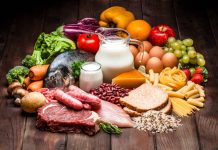
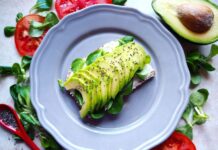
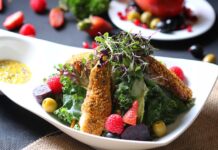
Eating a healthy, well-balanced diet is also essential for managing PPD. It means including plenty of fruits, vegetables, lean protein, and whole grains in your diet. Studies have shown that omega-3 fatty acids-rich diets (like fish and flaxseed) can help to alleviate symptoms of depression.
Relaxation techniques:

Relaxation techniques like yoga, meditation, and deep breathing can also be helpful in managing PPD. These techniques can help to reduce stress and improve overall well-being, making it easier to cope with the symptoms of depression.
Sleep:

Getting enough sleep is essential for managing PPD. New mothers often face sleep deprivation due to the baby’s needs, but it’s important to ensure you get as much rest as possible. Good sleep hygiene practices can help you to get the rest you need, including creating a relaxing bedtime routine, avoiding caffeine and electronic devices before bed, and maintaining a relaxed and comfortable sleep environment.
Support from loved ones:

Support from your loved ones can help to decrease the symptoms of PPD. They can provide emotional support, help with tasks and childcare, and listen to your feelings and concerns.
Remember that these methods may not be effective for all women, so talk to your doctor before making any changes to your treatment plan. Some women may require medication to manage their symptoms, and there is no shame. Finding the treatment that works best for you and your unique situation is crucial.
Wind up:

To sum up, postpartum depression is a typical condition that can seriously impact a woman’s well-being. While medication can be an effective treatment, many women prefer to avoid it due to concerns about side effects or the impact on breastfeeding. The symptoms of PPD can be lessened without the use of medication by many things that were already discussed earlier in this article. It’s essential to consult with a healthcare professional and find the treatment that works best for you.
FAQs:
Q: Which supplements aid PPD?
A: Omega-3 fatty acids, vitamin B complex and D, and herbs may help to alleviate the symptoms of PPD.
Q: Is postpartum depression a permanent condition?
A: Postpartum depression (PPD) is a treatable condition; with proper treatment, most women will recover from it. However, the duration of PPD varies from woman to woman, and some may take longer to recover than others.
Q: Who is predisposed to PPD?
A: Women are more likely to experience postpartum depression (PPD) if they have a family history of depression or anxiety, go through stressful life events, get pregnant suddenly, face financial hardship, have a traumatic past like abuse, etc.