










Healthy Weight Loss & Fat Burn is not about starving yourself. It is about losing fat the smart and sustainable way. Many people try crash diets, but they fail because they ignore the scientific principles behind Healthy Weight Loss & Fat Burn.
To lose weight successfully, you must understand how fat burn actually works.
What Is the Difference Between Weight Loss and Fat Burn?
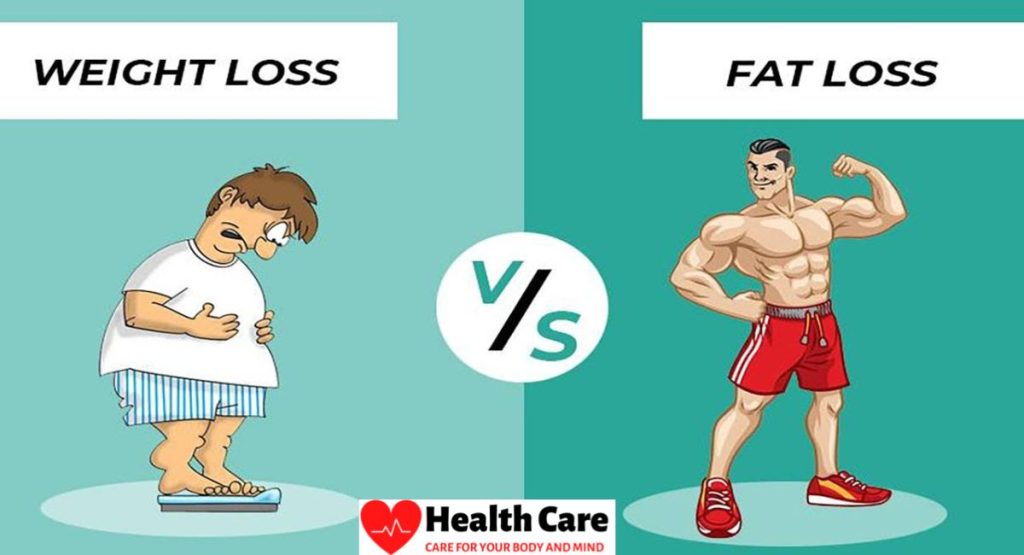
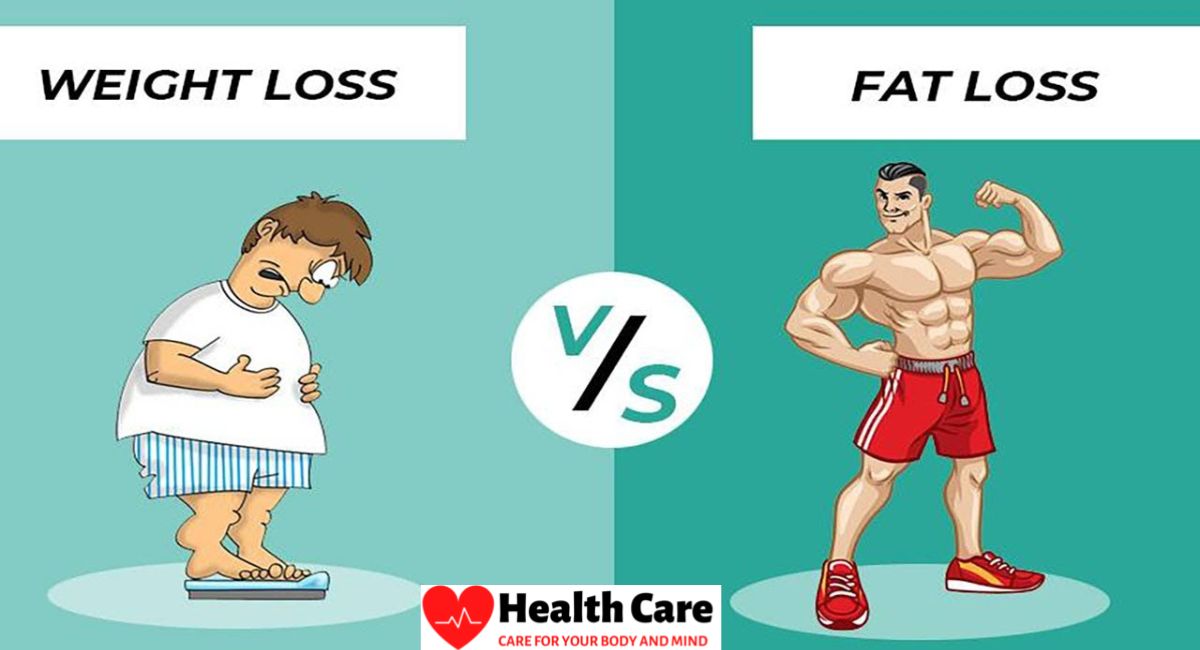
Many people think weight loss and fat burn are the same. But as a nutritionist, I often explain that they are very different.
Weight loss means losing overall body weight. This weight can come from:
- Water
- Muscle
- Body fat
For example, when someone follows a crash diet, they may lose weight quickly. But most of that loss is usually water or muscle, not fat. This is why the weight often comes back.
Fat burn, however, means reducing stored body fat specifically. This is the healthy and sustainable goal. Fat burn improves body shape, supports metabolism, and reduces the risk of health problems like diabetes and heart disease.
1.Calorie Deficit for Healthy Weight Loss & Fat Burn
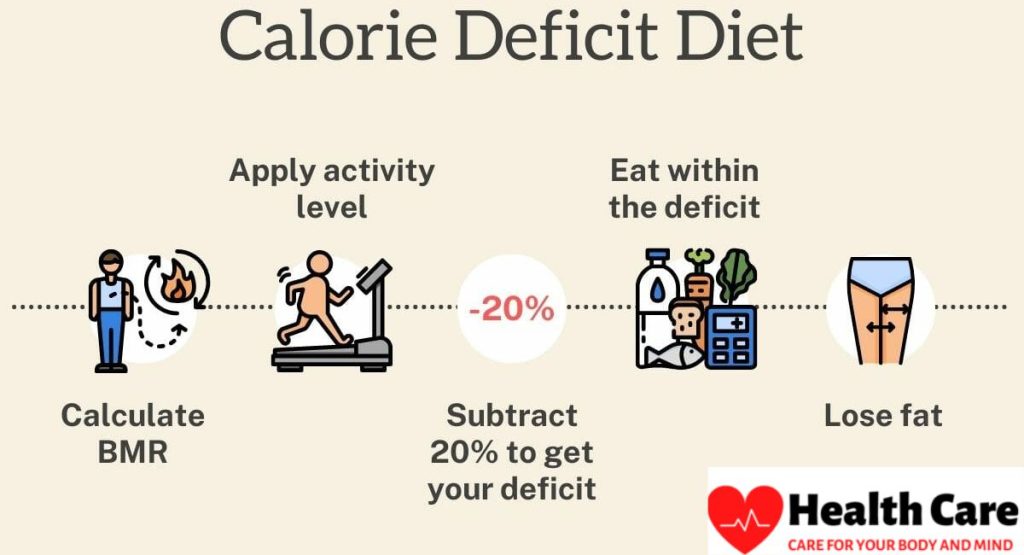
To achieve healthy Weight Loss & Fat Burn, you need to burn more calories than you take in. This state is called a calorie deficit.
But, as a nutritionist, I always advise you to follow a moderate calorie deficit, not excessive caloric restriction.
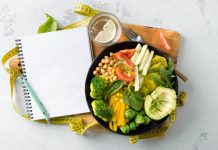
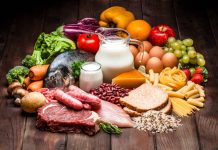
Simple Fat-Burning Food Guide
| Food Type | Examples | Why It Helps |
|---|---|---|
| Protein | Eggs, chicken, lentils | Boosts metabolism & reduces hunger |
| Fiber | Vegetables, oats, fruits | Keeps you full longer |
| Healthy Fats | Nuts, olive oil | Supports hormone balance |
| Water | 8–10 glasses daily | Improves fat metabolism |
Nutritionist Tip 💡
Always build your plate around protein first. Protein increases thermogenesis (calorie burn) and protects muscle during fat loss.
2.Protein Intake for Effective Fat Burn
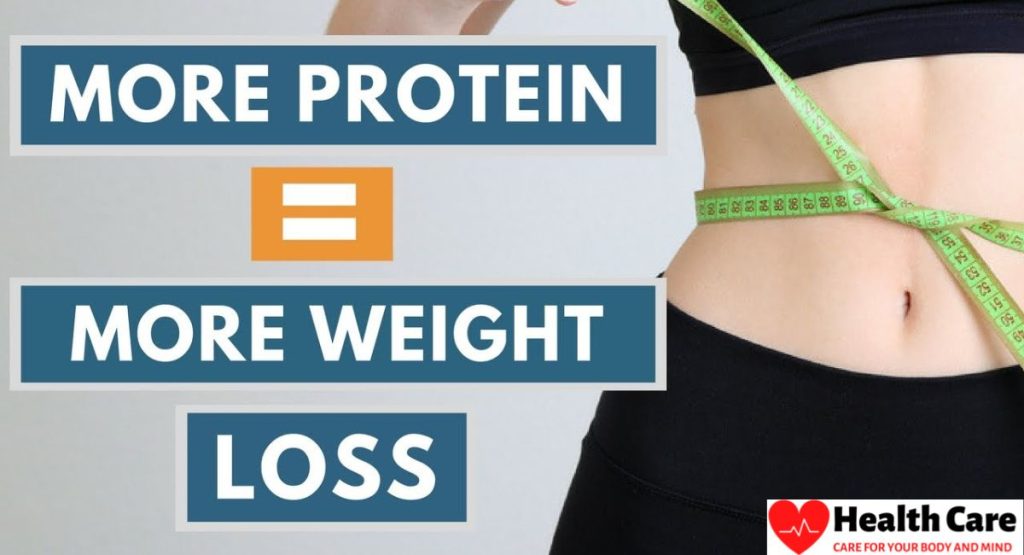
Protein plays a key role in healthy Weight Loss & Fat Burn. It helps preserve muscle while your body burns stored fat.
As a nutritionist, I always advise you to take more proteins during the process of Fat Burn. During caloric restriction, you may lose muscles along with the stored fat in the body.
Trusted research shows:
According to a review in The American Journal of Clinical Nutrition, higher protein diets help preserve lean muscle mass during calorie restriction and support weight management.
In addition, Protein helps your body burn more calories during digestion.
Healthline notes that higher protein intake increases satiety, reduces hunger, and helps preserve muscle during weight loss.
Add These High-Protein Foods:
- Boiled eggs
- Greek yogurt
- Grilled chicken
- Tofu
- Lentils and beans
- Cottage cheese
Higher protein intake helps:
✔ Reduce hunger
✔ Control cravings
✔ Maintain muscle mass
✔ Improve metabolism
A simple rule: Try to include a source of protein in every meal.
3.Strength Training Is Essential for Fat Burn

Cardio burns calories. But strength training builds lean muscle.
From a nutritional point of view, muscles are metabolically active tissues, which means that the more muscles you have, the more calories you will burn even at rest.
Combining this with proper protein consumption will definitely enhance Fat Burn.
According to research, increasing lean muscle boosts your resting metabolic rate and helps burn calories more efficiently even when you’re not exercising.
Best Exercises for Fat Burn:
- Squats
- Push-ups
- Deadlifts
- Resistance band workouts
- Dumbbell exercises
Train at least 3–4 times per week for best results.
Nutrition Tip 💡
After strength training, consume a protein-rich meal within 1–2 hours to support muscle recovery and fat loss.
4.Try HIIT for Faster Fat Burn
High-Intensity Interval Training (HIIT) is one of the most effective methods for boosting metabolism.
HIIT increases the calories burned not only during the workout but also after the workout. This phenomenon is known as the “afterburn effect.”
Simple HIIT Example:
- 30 seconds sprint
- 30 seconds rest
- Repeat for 15 minutes
- From a nutritional point of view, it’s very important to stay hydrated and take a balanced pre-workout snack before starting a HIIT session. This helps maintain energy levels and prevent fatigue.
- HIIT is powerful for improving cardiovascular health and accelerating weight loss & fat burn.
5.Improve Sleep and Manage Stress
Many people ignore sleep and stress during fat loss. But they are extremely important.
Sleep affects hunger hormones like ghrelin and leptin. When sleep is poor, ghrelin (the hunger hormone) increases and leptin (the fullness hormone) decreases which results in excessive eating.
Research shows that inadequate sleep changes appetite hormones and is linked with weight gain.
Excessive stress increases cortisol levels in the body, which results in belly fat.
As a nutritionist, I advise my clients to improve their lifestyle habits to support fat loss.
Aim For:
- 7–8 hours of quality sleep
- Daily relaxation, meditation, or walking
- Limited screen time before bed
- Balanced meals to stabilize blood sugar
When sleep, stress, nutrition, and exercise work together, fat burn becomes more effective and sustainable.
Frequently Asked Questions (FAQs)
1. What is the difference between weight loss and fat burn?
Weight loss means losing overall body weight. This can include water, muscle, and fat.
Fat burn means reducing stored body fat specifically. Fat burn improves body shape, metabolism, and overall health.
For healthy results, focus on fat loss instead of just lowering the number on the scale.
2. How can I increase fat burn naturally?
You can increase fat burn naturally by:
- Creating a moderate calorie deficit
- Eating high-protein foods
- Doing strength training
- Adding HIIT workouts
- Sleeping 7–8 hours daily
Consistency is more important than extreme dieting.
3. How much protein do I need for weight loss?
As a nutritionist, I recommend consuming around 1.2 to 1.6 grams of protein per kilogram of body weight for fat loss.
Protein helps:
- Preserve muscle
- Reduce hunger
- Improve metabolism
That’s why always include protein in every meal.
4. Does sleep affect weight loss?
Yes. Sleep plays a major role in Weight Loss & Fat Burn.
Poor sleep increases hunger hormones and stress levels. This can slow down fat burning and increase cravings.
Aim for 7–8 hours of quality sleep every night.
5. Is cardio enough for fat loss?
Cardio helps burn calories, but it is not enough alone.
Strength training is important because it builds muscle. More muscle increases metabolism and supports long-term fat loss.
A combination of cardio and strength training works best.
6. How long does healthy fat loss take?
Healthy fat loss is gradual. Most experts recommend losing 0.5 to 1 kg per week.
Slow and steady fat loss helps prevent muscle loss and keeps the weight from returning.