










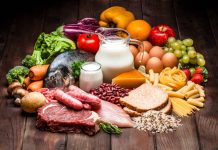











A proper Ramadan diet plan for weight loss helps you burn fat while staying energized throughout fasting hours.Most people experience weight gain during Ramadan due to overeating during iftar or consuming fried and sweet foods. But with an effective Ramadan diet plan for weight loss, you can suppress your cravings, preserve your muscles, and avoid gaining weight.
This article will walk you through what to eat during suhoor and iftar to facilitate healthy fat loss during Ramadan.
Why Follow a Ramadan Diet Plan for Weight Loss?
During Ramadan, your eating period is reduced. Thus, the quality of food becomes more important than the quantity.
A well-organized Ramadan diet plan for weight loss enables you to:
- Regulate your calorie intake
- Avoid overeating during iftar
- Preserve your lean muscle mass
- Suppress sugar cravings
- Enhance digestion
According to research, healthy fasting and adequate protein consumption can enhance body composition and appetite regulation.
Additionally, studies suggest that protein-rich meals improve satiety and reduce late-night cravings.
What to Eat in Suhoor for Weight Loss
Suhoor should be high in protein, fiber, and healthy fats to keep you full for longer.
Best Suhoor Foods in a Ramadan Diet Plan for Weight Loss

From slow-digesting oats to muscle-repairing eggs, these meals are designed to keep your metabolism steady. Make your Ramadan healthier this year.
Full Ramadan Diet Plan by @DNMOMINA at HealthCareInfo.me
• Eggs with whole wheat roti
• Greek yogurt with chia seeds
• Oats with nuts and seeds
• Cottage cheese with cucumber
• Protein smoothie
Avoid:
❌ White bread
❌ Sugary cereals
❌ Fried parathas
❌ Sweet tea
Balanced suhoor reduces fatigue and prevents extreme hunger at iftar.
What to Eat at Iftar for Fat Loss

Why this works: It prevents the blood sugar spike and keep you full without the bloating. Smart eating is the key to fat loss during the holy month.
Get the full Step-by-Step Ramadan Guide by @DNMOMINA at HealthCareInfo.me
The biggest mistake people make is overeating fried foods at iftar.
Instead, follow this structured Ramadan diet plan for weight loss:
Step 1: Break Fast Smartly
• 1–2 dates
• Water
• Small fruit portion
Step 2: Light Starter
• Lentil soup
• Chicken soup
Step 3: Main Meal (Balanced Plate)
• Grilled chicken or fish
• Brown rice or small roti
• Large portion of salad
Step 4: Optional Light Snack Later
• Greek yogurt
• Handful of almonds
Avoid:
❌ Samosas
❌ Pakoras
❌ Sugary drinks
❌ Heavy desserts
Sample 1-Day Ramadan Diet Plan for Weight Loss
Suhoor
2 boiled eggs
1 whole wheat roti
Greek yogurt
Water
Iftar
2 dates + water
Chicken soup
Grilled chicken (150g)
Salad bowl
Small portion brown rice
Late Evening Snack
Handful almonds or protein yogurt
This Ramadan diet plan for weight loss keeps calories controlled while maintaining protein intake.
Common Ramadan Weight Gain Mistakes
• Skipping suhoor
• Overeating fried foods
• Drinking sugary juices
• Sleeping immediately after iftar
• Low protein intake
Even during fasting, calorie balance matters.
Hydration Tips During Ramadan
• Drink 2–3 liters of water between iftar and suhoor
• Avoid excessive caffeine
• Include electrolytes naturally from fruits
Hydration supports metabolism and prevents fatigue.
How Much Protein Should You Eat?
For weight loss during Ramadan:
• 1.2–1.6g protein per kg body weight
• Spread protein between suhoor and iftar
• Include at least 20–30g protein per meal
Adequate protein helps preserve muscle mass during calorie restriction.
Conclusion
A structured Ramadan diet plan for weight loss helps you burn fat without feeling weak. Focus on protein, fiber, hydration, and portion control. Avoid fried foods and sugary drinks. Consistency is more important than extreme restriction.
With the right strategy, Ramadan can become a powerful reset for your health.