









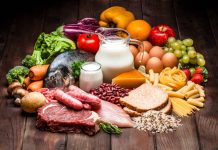











A high protein breakfast for weight loss can help control hunger, boost metabolism, and reduce cravings throughout the day. Many people either skip breakfast or consume high-carb meals, which often lead to energy crashes and overeating later. Starting your morning with adequate protein supports muscle preservation, improves satiety, and enhances fat loss results.
Nutritionist Perspective: Why Protein at Breakfast Matters
From a nutritional perspective, breakfast is a very important time to control appetite hormones and maintain blood sugar levels throughout the day.
After an overnight fast, the body is in a mild catabolic state. This means muscle protein breakdown may increase. Eating sufficient protein during breakfast can help stimulate muscle protein synthesis and prevent muscle loss during a calorie-restricted diet.
Research published in The American Journal of Clinical Nutrition demonstrate that spreading protein intake evenly throughout meals can enhance muscle protein synthesis rates compared to eating most of the protein during dinner. Hence, eating 20-30 grams of protein during breakfast can help with body composition and metabolic function.
Research-Based Evidence Supporting High Protein Breakfast
Several scientific studies support the role of protein in weight management:
• A randomized controlled trial found that individuals consuming a high-protein breakfast experienced reduced evening snacking compared to those eating a low-protein breakfast.
In addition, studies indicate that the thermic effect of protein is 20-30%, which is much higher than that of carbohydrates (5-10%) and lipids (0-3%). This slightly enhances overall daily energy expenditure.
- Moreover, a systematic review revealed that a higher protein diet with calorie restriction helps maintain lean body mass and enhances fat loss outcomes.
- Clinical trials in obese patients have shown that beginning the day with protein helps improve glycemic control and prevents post-prandial blood sugar spikes.
From a clinical nutrition perspective, these factors cumulatively help in sustainable fat loss.
How Much Protein Is Ideal in the Morning?
For most adults aiming for fat loss:
• 20–30 grams of protein at breakfast
• Total daily intake of 1.6–2.2 grams per kilogram of body weight
This range is commonly supported in sports nutrition research for muscle preservation during fat loss phases.
However, this value may vary depending on the individual’s age, activity level, and health status.
Clinical Advice from a Nutritionist
As a nutritionist, I emphasize balance rather than extremes. A high-protein breakfast should:
✔ Include fiber from vegetables or whole grains
✔ Contain healthy fats in moderation
✔ Avoid excessive added sugars
✔ Fit within total daily calorie needs
Protein intake alone does not cause fat loss. However, it helps regulate appetite and preserve muscle mass when combined with calorie restriction and resistance training.
Why High Protein Breakfast Helps With Weight Loss
Protein supports weight loss in three important ways:
- It increases fullness and reduces hunger hormones
- It has a higher thermic effect, meaning it burns more calories during digestion
- It helps preserve lean muscle mass during a calorie deficit
Studies published in The American Journal of Clinical Nutrition show that higher protein intake improves appetite control and body composition during weight loss.
Therefore, adding protein to breakfast can set the tone for healthier food choices all day.
7 Easy High Protein Breakfast Recipes
Below are simple, practical, and balanced breakfast ideas.
Greek Yogurt Protein Bowl

Full recipe and nutritional tips by @DNMOMINA at HealthCareInfo.me
Protein: 20–25g
Ingredients:
- Greek yogurt
- Chia seeds
- Mixed berries
- Almonds
Why it works:
Greek yogurt is rich in protein and probiotics. The fiber from berries and chia seeds improves digestion and keeps you full longer.
Nutrition Tip: Choose unsweetened Greek yogurt to avoid added sugars.
Scrambled Eggs with Vegetables

Full recipe & tips by @DNMOMINA at HealthCareInfo.me
Protein: 18–22g
Ingredients:
- 2–3 eggs
- Spinach
- Mushrooms
- Bell peppers
Why it works:
Eggs provide high-quality complete protein. Vegetables add fiber and micronutrients.
For fat loss, cook with minimal olive oil.
Protein Oatmeal

Full recipe and portion guides by @DNMOMINA at HealthCareInfo.me
Protein: 20g
Ingredients:
- Rolled oats
- Protein powder
- Peanut butter
- Cinnamon
Why it works:
Oats provide slow-digesting carbs. Adding protein powder increases satiety and supports muscle preservation.
Cottage Cheese & Fruit Plate

Full recipe and diet tips by @DNMOMINA at HealthCareInfo.me
Protein: 20–24g
Ingredients:
- Low-fat cottage cheese
- Apple slices or berries
- Walnuts
Why it works:
Cottage cheese is rich in casein protein, which digests slowly and controls hunger.
High Protein Smoothie

Low in calories, high in nutrients, and 100% delicious. Get your glow from the inside out.
Full nutrition guide by @DNMOMINA at HealthCareInfo.me
Protein: 25–30g
Ingredients:
- Protein powder
- Almond milk
- Banana
- Peanut butter
- Spinach
Why it works:
A smoothie is quick and convenient. It is ideal for busy mornings.
Avocado & Egg Toast

Fuel your fitness journey with expert tips from @DNMOMINA. Full recipe at HealthCareInfo.me
Protein: 18–22g
Ingredients:
- Whole grain bread
- Mashed avocado
- Poached egg
Why it works:
Healthy fats plus protein provide stable energy levels and reduce cravings.
Tofu Scramble (Vegetarian Option)

This Tofu Scramble packs 18–22g of protein perfect for fat loss and stable energy. Simple, healthy, and delicious.
Full recipe by @DNMOMINA at: HealthCareInfo.me
Protein: 18–22g
Ingredients:
- Firm tofu
- Turmeric
- Onions
- Spinach
Why it works:
Tofu is an excellent plant-based protein source. It is ideal for vegetarians and lactose-intolerant individuals.
How Much Protein Should Breakfast Contain?
For effective fat loss, breakfast should contain at least 20–30 grams of protein.
Research suggests that spreading protein intake evenly across meals improves muscle protein synthesis and appetite control.
As a nutritionist, I recommend adjusting portion sizes based on body weight and activity level.
Common Mistakes to Avoid
- Choosing sugary cereals
- Skipping breakfast completely
- Relying only on protein bars
- Ignoring total daily calorie intake
Remember, protein helps weight loss. However, overall calorie balance remains important.
Conclusion
A high protein breakfast for weight loss improves satiety, supports metabolism, and helps preserve lean muscle mass. Choosing balanced, whole-food protein sources can make fat loss more sustainable.
As a nutritionist, I always emphasize consistency over extreme dieting. Start your day with protein, stay hydrated, and combine nutrition with resistance training for the best results.
Healthy fat loss is not about restriction. It is about smart planning.