






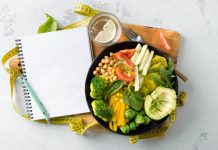



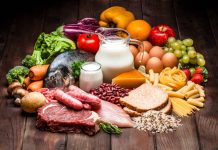










A 7-Day High Protein Meal Plan for Weight Loss is one of the most efficient ways to burn excess fat while maintaining muscle mass. Unlike other diets, a high-protein organized meal plan promotes metabolism, suppresses appetite, and leads to better fat loss outcomes.
As a nutritionist, I always recommend increasing protein intake during a calorie deficit. A low-calorie diet without sufficient protein can lead to the loss of muscle mass along with fat. It is important to maintain muscle mass for a healthy metabolism.
Research published in The American Journal of Clinical Nutrition a high-protein diet helps maintain muscle mass and leads to better weight loss outcomes when on an energy-restricted diet.
Additionally, Healthline states that protein promotes feelings of fullness and slightly boosts calorie burn through thermogenesis.
Why High Protein Intake Supports Fat Loss

Scientific evidence shows that protein influences weight loss through three major mechanisms:
Increased Satiety
Protein affects hunger-regulating hormones such as ghrelin and peptide YY. Higher protein intake reduces hunger and increases fullness.
A study published in The American Journal of Clinical Nutrition found that increasing protein from 15% to 30% of total calorie intake suppressed appetite and spontaneous calorie intake.
Higher Thermic Effect of Food (TEF)
Protein digestion requires more energy than carbohydrates and lipids.
Research shows:
- Protein burns 20–30% of its calories during digestion
- Carbohydrates burn 5–10%
- Fats burn 0–3%
This means a high-protein diet slightly increases daily calorie expenditure.
Muscle Preservation
Muscle is metabolically active tissue. Preserving lean muscle helps maintain resting metabolic rate.
A review in The American Journal of Clinical Nutrition states:
Sufficient protein intake with energy restriction prevents the loss of lean body mass.
From a nutritional perspective, protecting muscle is essential for sustainable fat loss.
Recommended Protein Intake for Weight Loss
| Body Weight | Moderate Activity | Strength Training |
|---|---|---|
| 60 kg | 72–96g | 90–110g |
| 70 kg | 84–112g | 105–125g |
| 80 kg | 96–128g | 120–140g |
| 90 kg | 108–144g | 135–160g |
General guideline:
1.2–1.6 grams per kilogram of body weight
As a nutritionist, I individualize protein recommendations based on metabolic health, training intensity, and body composition goals.
7-Day High Protein Meal Plan for Weight Loss

This sample plan provides approximately 100–130 grams of protein daily.
Day 1
| Meal | Menu | Protein |
|---|---|---|
| Breakfast | Greek yogurt + chia seeds | 20g |
| Lunch | Grilled chicken salad | 35g |
| Snack | Boiled eggs (2) | 12g |
| Dinner | Baked salmon + vegetables | 30g |
Day 2
| Meal | Menu | Protein |
|---|---|---|
| Breakfast | Oats + whey protein | 25g |
| Lunch | Lentil soup + mixed salad | 22g |
| Snack | Cottage cheese | 15g |
| Dinner | Tofu stir fry | 25g |
Day 3
| Meal | Menu | Protein |
|---|---|---|
| Breakfast | Vegetable omelette | 20g |
| Lunch | Turkey wrap | 30g |
| Snack | Almonds | 6g |
| Dinner | Lean beef + broccoli | 35g |
(Days 4–7 follow similar structure with fish, chicken, beans, tofu, yogurt, and eggs to maintain variety and micronutrient balance.)
Important Clinical Nutrition Guidelines
As a nutritionist, I emphasize balance:
✔ Combine protein with fiber-rich vegetables
✔ Include healthy fats (olive oil, nuts, seeds)
✔ Avoid ultra-processed protein bars as primary sources
✔ Stay hydrated (2–3 liters daily)
✔ Pair diet with resistance training
Research consistently shows that combining higher protein intake with strength training leads to better fat loss outcomes compared to diet alone.
Common Mistakes in High Protein Diets
- Ignoring total calorie intake
- Eliminating carbohydrates completely
- Inadequate hydration
- Skipping resistance training
Protein supports fat loss but calorie balance still matters.
Who Should Consult a Professional?
Individuals with:
- Kidney disease
- Liver conditions
- Metabolic disorders
should seek medical supervision before increasing protein intake significantly.
Conclusion
The 7-Day High Protein Diet Plan for Weight Loss is backed by scientific research and nutritional knowledge. It helps increase satiety, preserve muscle mass, and optimize metabolism.
As a nutritionist, I have always advised my clients to follow research-backed approaches instead of relying on fad diets. Losing fat in the long run demands consistency, a planned protein diet, strength training, and a balanced lifestyle.
Weight loss is not a speedy process it is a planned one.